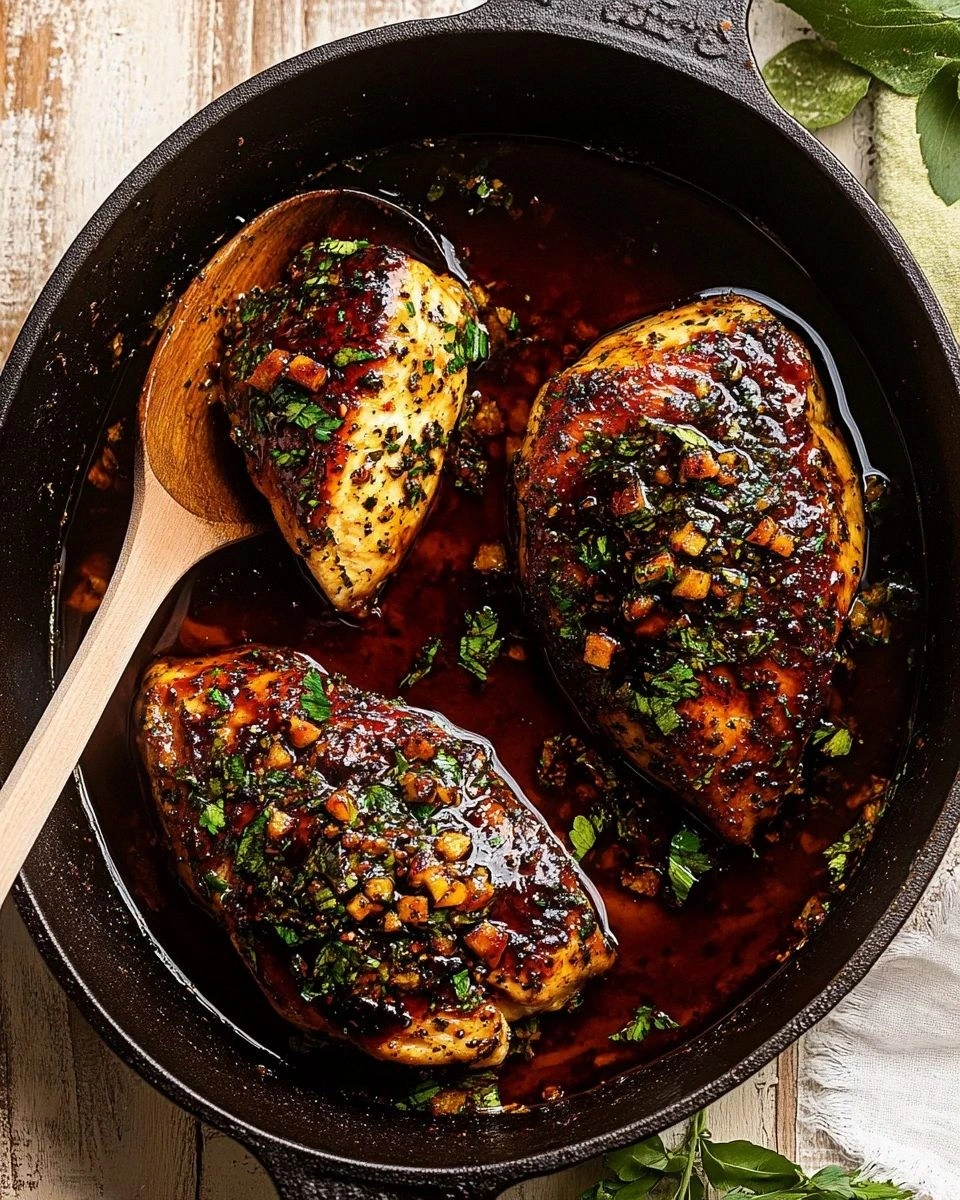
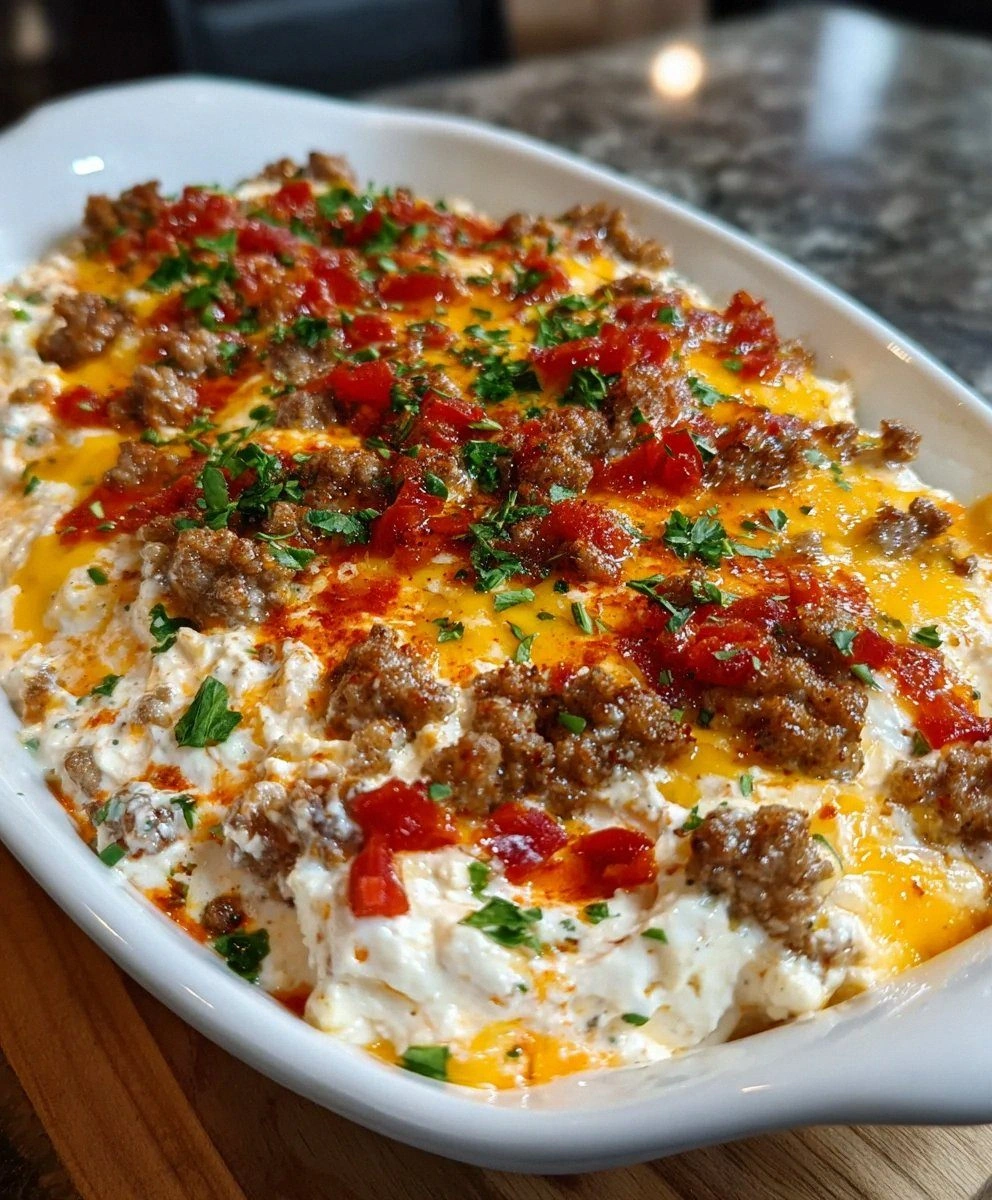
Picture this: it's a Tuesday night, you're still in your work clothes, and that package of ground beef has been giving you side-eye from the fridge for three days straight. Takeout menus are calling your name, but then you remember you've got a head of cabbage that's one day away from becoming science experiment. Been there? I lived this exact scenario last month, and what started as a desperate attempt to avoid food waste turned into the most mind-blowing comfort food discovery of my year. I was literally throwing things together while on the phone with my mom, complaining about how boring cabbage always tastes, when I accidentally created what my family now calls "the casserole that converted cabbage haters."
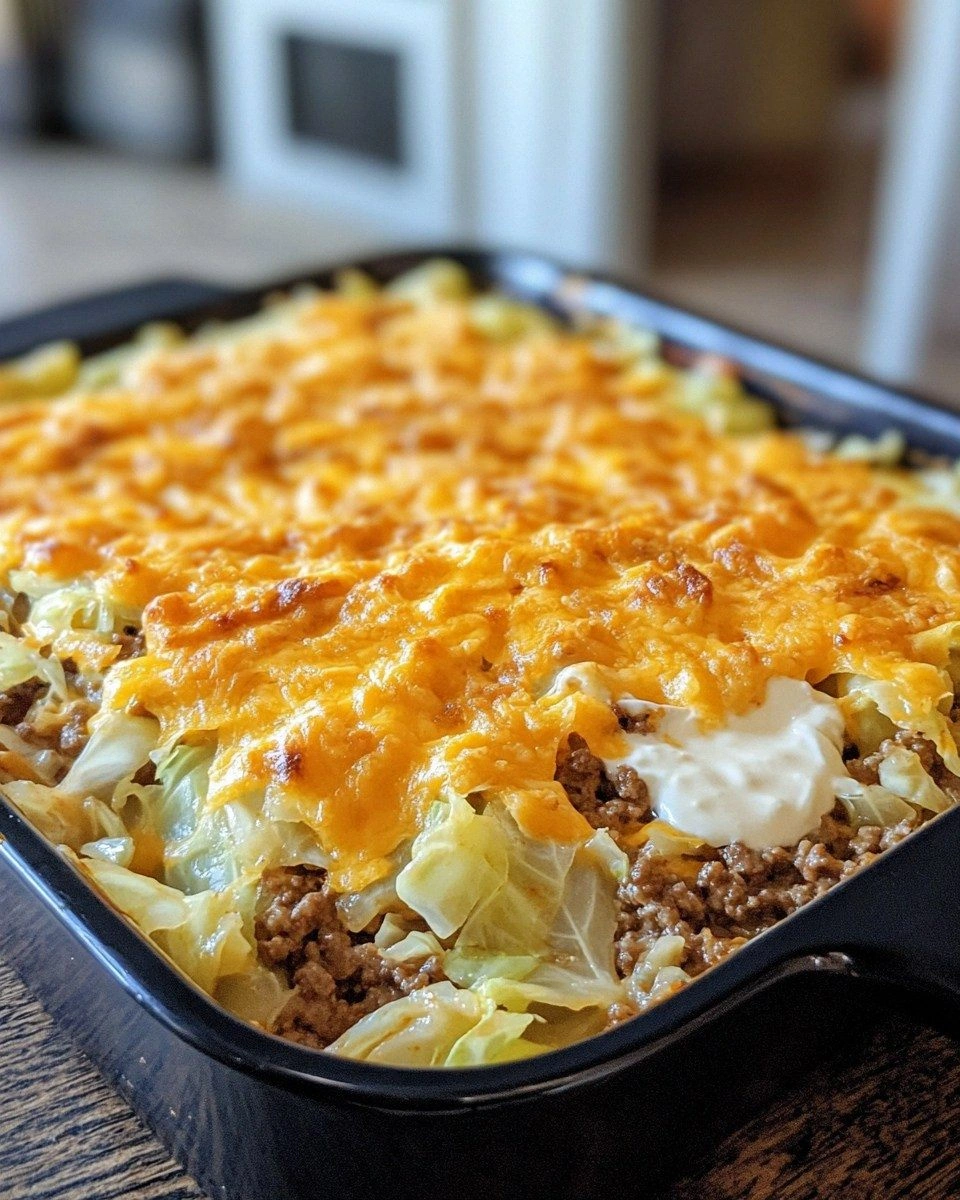
The smell alone is enough to make you question everything you thought you knew about cabbage. As it bakes, your kitchen transforms into this cozy, buttery cloud of savory goodness that makes neighbors knock on your door asking what you're cooking. The cabbage melts down into silky ribbons that soak up all the beefy, creamy magic, while the top gets these golden, crispy edges that shatter like thin ice when you dig in with your fork. It's the kind of dish that makes you close your eyes involuntarily on the first bite, like when you hear your favorite song come on unexpectedly at the grocery store.
Here's what shocked me most: my teenage son, who refers to vegetables as "green poison," asked for seconds. My neighbor who claims she's "allergic to anything healthy" begged for the recipe. Even my meat-and-potatoes brother texted me three days later asking if I'd made more. This isn't just another boring casserole that gets shoved to the back of the fridge — this is the dish that people remember. The secret? We'll get to that in a minute, but let's just say it involves treating the cabbage like the star it secretly wants to be, not the sad side dish it's always been.
Let me walk you through every single step — by the end, you'll wonder how you ever made it any other way.
What Makes This Version Stand Out
Velvet Sauce Magic: The combination of sour cream and beef broth creates this luxurious blanket that coats every strand of cabbage like liquid velvet. Most recipes skip this step and end up with dry, stringy results that taste like punishment. The sauce actually penetrates the cabbage leaves instead of just sitting on top like a sad puddle.
Texture Contrast Perfection: We're talking crispy edges that shatter like caramelized sugar, tender beef that melts in your mouth, and cabbage that transforms from tough to silk. Every forkful gives you three distinct textures that play together like a well-rehearsed band. Other casseroles are one-note mushy affairs — this one actually makes you pause between bites to appreciate what's happening.
One-Pan Simplicity: Everything happens in a single skillet and one baking dish. No blanching, no pre-cooking noodles, no mountain of dishes that makes you regret cooking at all. You brown, you stir, you bake, you eat. I've made this on weeknights when I got home at 7 PM and was eating by 8:15, no joke.
Ingredient Alchemy: The humble combination of paprika, garlic, and onion with the beef creates this deep, complex flavor that tastes like it's been simmering for hours. Most people can't figure out why it tastes so much better than their attempts — it's all in how we layer these simple ingredients at exactly the right moments.
Make-Ahead Champion: This casserole actually improves overnight as the flavors marry and deepen. I make double batches on Sundays, portion them out, and have instant comfort food for the entire week. The texture holds up beautifully to reheating, which is basically unheard of in the casserole world.
Budget-Friendly Luxury: We're talking about a dish that costs less than a fast-food meal for four, yet tastes like something from a cozy bistro. Cabbage is practically free, ground beef stretches far here, and the other ingredients are pantry staples. Your wallet will thank you as much as your taste buds.
Convert-Proof Deliciousness: I've served this to people who swore they hated cabbage, beef, and casseroles separately, watched them clean their plates, then ask for the recipe. It's not just good for a cabbage dish — it's genuinely crave-worthy food that happens to include vegetables.
Alright, let's break down exactly what goes into this masterpiece...
Inside the Ingredient List
The Flavor Base
The humble onion is about to become your best friend in this dish, but here's the trick — don't rush it. When you take the time to slowly caramelize those chopped onions in olive oil until they turn golden and sweet, they create this incredible foundation that makes everything else taste like it's been cooking for hours. The natural sugars develop and mingle with the beef fat later, creating depth that onion powder could never achieve. Some people rush this step and end up with harsh, sharp flavors that dominate the whole casserole. Trust me, those extra five minutes of patience will reward you with a sweetness that balances the richness of everything else.
Garlic is next, and timing is everything here. Add it too early with the onions and it'll burn and turn bitter faster than you can say "what's that smell?" Wait until your onions are nearly done, then throw in the minced garlic for just 60 seconds. You'll know it's ready when your kitchen suddenly smells like you've been transported to a tiny Italian grandmother's kitchen. The garlic should perfume the air, not announce itself with a punch. This brief cooking time mellows the harsh bite while keeping all that aromatic magic intact.
The Texture Crew
Ground beef is the protein hero here, but not all ground beef is created equal. I've made this with everything from 93/7 to 80/20, and let me tell you — you want that fat. The 85/15 blend hits the sweet spot where you get enough richness to carry all those flavors, but not so much grease that your casserole swims in an oil slick. When you brown it properly (and I mean really let it get those crispy, caramelized edges), you're creating flavor bombs that will distribute throughout the entire dish. Don't be that person who constantly stirs and ends up with gray, sad beef. Let it sit, let it brown, let it develop character.
Cabbage is the ingredient that makes people nervous, but here's what nobody tells you — it's basically a flavor sponge that transforms into silk when treated right. A medium head might look like way too much when you first chop it, but watch the magic happen as it wilts down to about a quarter of its original volume. The key is cutting it into pieces that aren't too small (they'll disappear) or too big (they'll never cook through). Think bite-sized, about the same size as a tortilla chip you'd actually want to eat. And please, please remove that tough core — it's like leaving wood chips in your casserole.
The Unexpected Star
Paprika is about to become your secret weapon, but we're not talking about that sad, flavorless stuff that's been sitting in your spice rack since 2019. A good quality, fresh paprika brings this subtle warmth and gorgeous color that makes people ask "what's in this?" without being able to put their finger on it. It's like background music in a movie — you don't consciously notice it, but you'd miss it if it wasn't there. Don't bother with smoked paprika here; you want the sweet, mild variety that enhances rather than dominates. If your paprika doesn't smell like anything when you open the jar, it's time for a new jar.
Sour cream is where this recipe really diverges from every other casserole you've tried. Most recipes use cream of mushroom soup (bland) or heavy cream (too rich), but sour cream hits this perfect middle ground. It brings tanginess that cuts through all the richness, thickness that creates body, and a subtle complexity that makes people ask for your secret. The full-fat version is non-negotiable here — low-fat will break and curdle in the oven, leaving you with a grainy, separated mess that tastes like disappointment. Let it come to room temperature before stirring it in, and you'll avoid those annoying white flecks that refuse to incorporate.
The Final Flourish
Cheddar cheese on top creates this golden, bubbly crust that makes the whole thing look like it belongs in a food magazine. But here's what takes it from good to legendary — save about a quarter of it to add during the last five minutes of baking. This creates two distinct cheese experiences: the fully melted base layer that integrates with the sauce, and the freshly added top layer that gets those crispy, lacy edges that people fight over. Sharp cheddar brings the flavor you need to stand up to all that beef and cabbage, but if you want to get fancy, a 50/50 mix of sharp white and regular orange cheddar creates the most gorgeous color contrast.
Everything's prepped? Good. Let's get into the real action...
The Method — Step by Step
- Preheat your oven to 375°F (190°C) and position the rack in the center. This temperature is the sweet spot where everything cooks through without drying out or burning on top. While it's heating, grab your largest skillet and set it over medium heat. Here's where most people mess up — they crank the heat too high and end up with a smoky mess. Medium heat gives you control and prevents the garlic from turning into bitter charcoal. Let the pan heat for about two minutes until you can feel the warmth when you hover your hand over it.
- Add the olive oil to the hot pan and swirl it around to coat the bottom evenly. When the oil starts to shimmer and moves like water, that's your cue for the onions. Dump them in all at once and spread them out in an even layer. Now here's the hard part — leave them alone for at least three minutes. I know you want to stir, but resist the urge. Let them develop those gorgeous golden edges that will add depth to your entire dish. After three minutes, give them a stir and continue cooking for another 5-7 minutes until they're soft and translucent with some caramelized bits.
- Clear a small space in the center of the pan by pushing the onions to the sides. Add the ground beef right in that cleared spot — don't break it up yet! Let it sit undisturbed for about 2 minutes to develop a proper sear. This is where we're building those flavor bombs I mentioned earlier. Once you see the edges starting to brown, then you can break it up with your spatula. Continue cooking for 6-8 minutes, stirring occasionally, until no pink remains and you've got some nice crispy bits throughout.
- Now comes the garlic moment — push everything to the sides again, creating a little well in the center. Add the minced garlic directly to the hot pan and immediately start stirring it around for exactly 60 seconds. You'll smell it almost instantly, and that's when you know magic is happening. Don't let it go longer than a minute or it'll turn bitter and ruin everything we've built so far. Once it's fragrant and just starting to turn golden, mix it all together with the beef and onions.
- Time for the cabbage transformation — and I promise your pan will look impossibly full right now. Add all the chopped cabbage at once (yes, all of it) and don't panic about the mountain in your skillet. Sprinkle with the paprika, salt, and pepper, then start stirring. Within about 3 minutes, you'll see it start to wilt and shrink down. Keep cooking and stirring for another 5-7 minutes until the cabbage is tender but still has a bit of bite. It should have reduced by about two-thirds and be coated in all those gorgeous flavors.
- Pour in the beef broth and bring everything to a gentle simmer. This is where we're creating the sauce that'll make people lick their plates. Let it bubble away for about 3 minutes, stirring occasionally, until it's reduced slightly and everything looks moist but not swimming. The broth will pick up all those browned bits from the bottom of the pan — that's pure flavor gold. Taste and adjust the seasoning now, because it'll be harder to fix later.
- Turn off the heat and let the mixture cool for about 2 minutes — this prevents the sour cream from curdling when we add it. Now here's where most people mess up: they dump in cold sour cream straight from the fridge and wonder why it gets grainy. Stir in the sour cream gradually, about a third at a time, mixing well after each addition. It should create this gorgeous, creamy sauce that coats everything evenly. If it looks too thick, add a splash more broth; too thin, let it cook for another minute.
- Transfer the mixture to a lightly greased 9x13 baking dish and spread it out evenly. Sprinkle three-quarters of the cheddar cheese over the top, making sure to get right to the edges. Slide it into your preheated oven and bake for 20 minutes. Here's where patience pays off — don't open the oven door to peek! After 20 minutes, quickly scatter the remaining cheese over the top and bake for another 5 minutes until it's melted and just starting to bubble. Let it rest for 5 minutes before serving — this is crucial for the sauce to set up properly.
That's it — you did it. But hold on, I've got a few more tricks that'll take this to another level...
Insider Tricks for Flawless Results
The Temperature Rule Nobody Follows
Here's the thing that separates good home cooks from great ones — understanding carryover cooking. When you pull this casserole out of the oven, it's still cooking for another 5-7 minutes from residual heat. If you wait until the top looks perfectly golden in the oven, it'll be overdone by the time you serve it. Pull it when the cheese is melted and just starting to show a few brown spots. It'll continue developing that gorgeous color as it rests. My neighbor Barbara ignored this advice and served what she called "cheese leather" to her book club. Don't be Barbara.
Why Your Nose Knows Best
Forget timers — your nose is the most sophisticated kitchen tool you own. When this casserole is perfectly done, your kitchen will smell like the best diner you've ever visited, with notes of caramelized onion, beef, and slightly nutty cheese. If you start smelling sharp, acrid odors, you've gone too far and the garlic is burning. Trust your instincts here — when it smells like something you'd pay $18 for at a restaurant, it's ready. I've tested this theory with dozens of friends, and the nose method beats the timer method every single time.
The 5-Minute Rest That Changes Everything
I know you're hungry and it smells incredible, but those five minutes of rest time aren't negotiable. During this time, the sauce thickens and sets up, the flavors redistribute evenly, and the temperature drops to that perfect "hot but won't burn your tongue" zone. Cut into it too early and you'll have a runny mess that slides off your spatula and pools pathetically on the plate. Wait those five minutes and you'll get clean, beautiful squares that hold their shape and deliver maximum flavor in every bite. I've seen people literally stand guard over the casserole dish, pacing like expectant fathers, but trust me — it's worth the wait.
Creative Twists and Variations
This recipe is a playground. Here are some of my favorite ways to switch things up:
The Spicy Southern Belle
Add a diced jalapeño with the onions, swap the paprika for Cajun seasoning, and mix in some andouille sausage with the ground beef. Top with pepper jack cheese instead of cheddar for a casserole that'll make your taste buds do a happy dance. My spice-loving friend calls this "the dish that made her Southern grandmother proud from beyond the grave."
The Mushroom Lover's Dream
Replace half the cabbage with sliced mushrooms, add a teaspoon of dried thyme, and use Gruyère cheese instead of cheddar. The mushrooms bring this earthy depth that plays beautifully with the creamy sauce. Even mushroom skeptics have been converted — something about the way they absorb all those beefy flavors makes them irresistible.
The Breakfast-for-Dinner Edition
Mix in some cooked breakfast sausage, add a handful of frozen hash browns, and top with a fried egg when serving. It's like the best parts of a diner breakfast got together and decided to become a casserole. My kids request this version at least once a week, and honestly, I'm not mad about it.
The German-Inspired Version
Use kielbasa instead of ground beef, add a tablespoon of caraway seeds, and mix in some sauerkraut with the cabbage. Use Swiss cheese for that authentic German flavor. This version tastes like Oktoberfest in casserole form — serve it with some good mustard on the side and pretend you're in a beer garden.
The Loaded Potato Swap
Replace the cabbage with diced potatoes (par-cook them first), add crumbled bacon, and use Monterey Jack cheese. Top with green onions and a dollop of sour cream when serving. It's like loaded potato skins met casserole and had the most delicious baby. This one's pure comfort food that'll have football fans asking for the recipe.
The Mediterranean Makeover
Add chopped sun-dried tomatoes, swap the paprika for oregano, use ground lamb instead of beef, and top with feta cheese mixed into the cheddar. The briny tomatoes and rich lamb create this incredible flavor profile that transports you straight to a Greek taverna. Serve with a side of crusty bread and pretend you're on vacation.
Storing and Bringing It Back to Life
Fridge Storage
Let the casserole cool completely before storing — I'm talking no warmth whatsoever when you touch the bottom of the dish. Cut it into individual portions and store them in airtight containers for up to 4 days. The flavors actually intensify overnight, making leftovers even better than the original. If you store it as one big piece, it'll take forever to reheat and the edges will dry out before the center warms up. Individual portions reheat evenly and make grab-and-go lunches ridiculously easy.
Freezer Friendly
This casserole freezes beautifully for up to 3 months, but here's the key — underbake it slightly if you plan to freeze it. Pull it out of the oven about 5 minutes early, let it cool completely, then wrap individual portions in plastic wrap followed by foil. When you're ready to eat, thaw overnight in the fridge and reheat in a 350°F oven for about 20 minutes. The texture stays surprisingly creamy, and you'd never know it was frozen. I've got friends who make double batches specifically to stock their freezers for busy weeks.
Best Reheating Method
Avoid the microwave if at all possible — it turns the sauce grainy and the cheese rubbery. Instead, place individual portions in an oven-safe dish, add a tiny splash of water or broth, cover with foil, and reheat at 350°F for about 15 minutes. The water creates steam that brings back that just-baked creaminess. If you must use the microwave, do it at 50% power with a damp paper towel over the top, stirring every 30 seconds. But honestly, the oven method is so superior that it's worth the extra few minutes of waiting.