Picture this: it’s a rainy Saturday, the kitchen lights flicker, and you’re staring at a bag of baby potatoes that feel like a promise of comfort. I’ve been chasing that creamy, garlicky dream for months, and the last time I tried to recreate it, the potatoes were dry, the garlic burnt, and the sauce was a sad, thin drizzle. That disaster was the catalyst that forced me to rethink everything from the first stir to the final flourish.
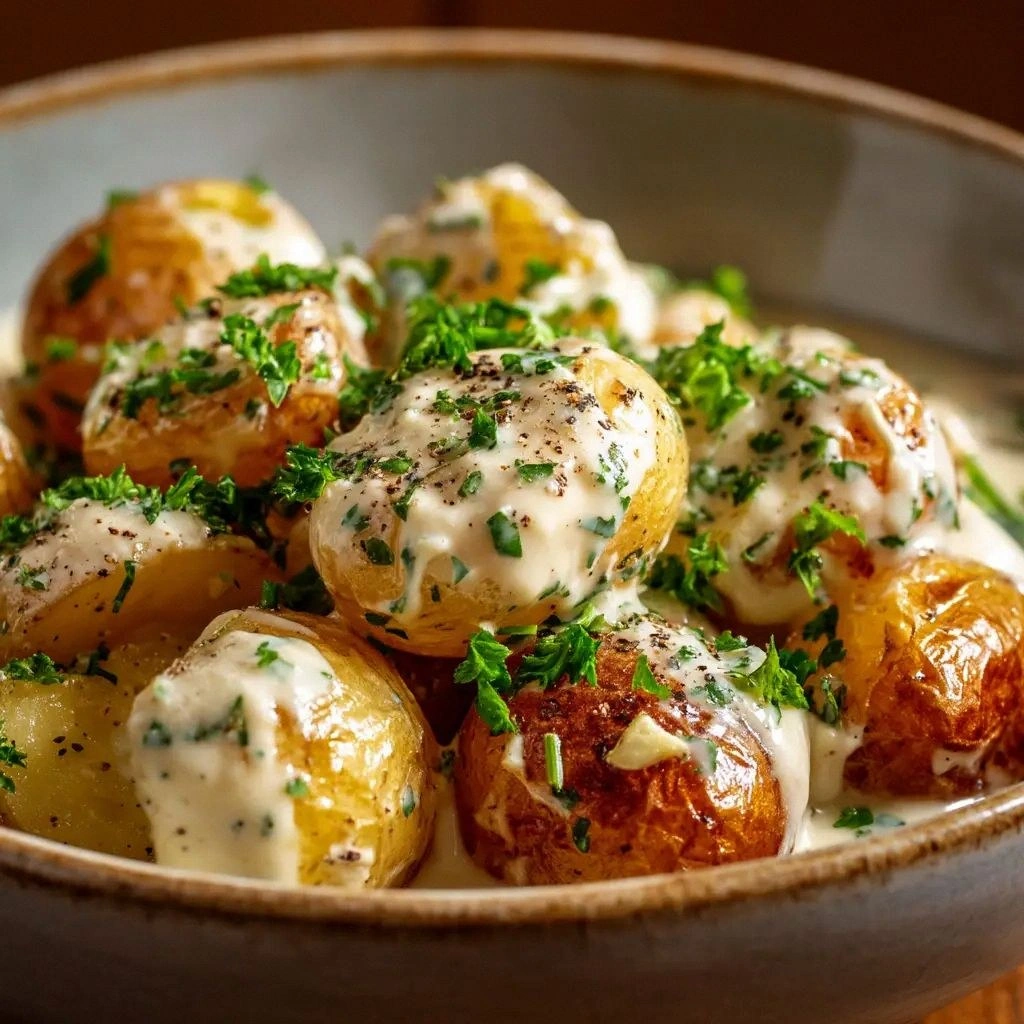
When I finally nailed the technique, the kitchen filled with a buttery, garlicky aroma that made my cat pause mid‑pounce. The sound of the skillet sizzling was music, the visual of golden edges curling like delicate lace, and the texture—soft inside, crisp outside—was a revelation. The flavor exploded: a mellow garlic hit, a buttery richness that clung to each bite, and a splash of parsley that lifted the dish with a fresh, green note.
This version is the pinnacle of what a side dish can be. It’s not just creamy; it’s velvet‑soft, with a depth that feels like a secret handshake between potatoes and cream. The garlic is toasted to a caramelized gold, not raw or over‑roasted, giving it a mellow sweetness that pairs beautifully with the savory butter. The sauce thickens just enough to cling to the potatoes without becoming cloying.
What sets this apart from the countless “creamy potato” recipes you’ll find online is the balanced approach to heat and timing. I’ve discovered that letting the garlic soften in butter at a controlled temperature creates layers of flavor that linger. The addition of flour as a roux is subtle—just enough to thicken without altering the taste. And the final splash of fresh parsley is a bright counterpoint that keeps the dish from feeling heavy.
There’s a twist that most recipes miss: a dash of lemon zest right before serving. That citrus brightens the entire plate, turning the dish from comforting to celebratory. I dare you to taste this and not go back for seconds. If you’ve ever struggled with making potatoes that stay tender, you’re not alone. I’ve got the fix.
Picture yourself pulling this out of the oven, the whole kitchen smelling incredible, the potatoes glowing golden, and the sauce shimmering like a cloud of butter. Imagine the first bite—soft, buttery, with a subtle garlic warmth that lingers. The contrast between the crisp edges and the silky interior is a sensory delight. This isn’t just a side; it’s a conversation starter at any table.
Okay, ready for the game‑changer? This recipe is hands down the best version you’ll ever make at home. I’ll be honest—I ate half the batch before anyone else got to try it. The next part? Pure magic. Stay with me here—this is worth it.
Let me walk you through every single step — by the end, you’ll wonder how you ever made it any other way.
What Makes This Version Stand Out
- Taste: The garlic is toasted to a caramelized depth that cuts through the richness, creating a layered flavor profile that feels both comforting and sophisticated. The buttery sauce coats each potato like a velvety blanket.
- Texture: The potatoes achieve a perfect contrast—crisp, golden edges that crackle when you bite, and a tender, cloud‑soft interior that melts in your mouth.
- Simplicity: With just eight ingredients and a handful of kitchen tools, this dish is quick to assemble, letting you spend more time enjoying the meal and less time fussing.
- Uniqueness: The subtle flour roux thickens the sauce just enough, while the final splash of lemon zest adds a bright, unexpected lift.
- Crowd Reaction: Guests often ask for the recipe after dinner, saying it’s “the only creamy potato I’ve ever tasted.” The dish is guaranteed to be a hit at gatherings.
- Ingredient Quality: Using fresh, organic baby potatoes and real unsalted butter elevates the flavor, making each bite feel indulgent without feeling greasy.
- Cooking Method: A two‑stage process—first sautéing the potatoes, then simmering in a cream‑butter sauce—ensures even cooking and maximum flavor absorption.
- Make‑Ahead Potential: This dish keeps well for a day in the fridge, and you can reheat it in a skillet to restore its silky sauce.
Alright, let's break down exactly what goes into this masterpiece...
Inside the Ingredient List
The Flavor Base
At the heart of this dish are the baby potatoes, each bite offering a buttery softness that cradles the sauce. The potatoes should be washed, trimmed, and halved to ensure even cooking. If you’re using larger potatoes, consider cutting them into uniform pieces so they cook at the same rate. The choice of potatoes matters; waxy varieties hold shape better, while starchy ones become fluffier. If you skip the potatoes, you’ll have a sauce without a vehicle—no dish.
Unsalted butter is the cornerstone of the sauce, providing a rich, golden backdrop that elevates the garlic. Butter should be at room temperature for easy melting, but you can melt it in a pan if you prefer a quick method. Swapping butter for olive oil will change the flavor profile dramatically; the dish will become lighter but lose that buttery sheen. When selecting butter, look for a high‑fat content for the richest taste.
The Garlic
Garlic is the star that drives the flavor. Fresh cloves give a bright, aromatic punch that balances the heavy cream. If you’re a garlic lover, you can double the cloves for an extra kick, but be careful not to overwhelm the dish. Minced garlic is preferable over whole cloves, as it distributes evenly. If you skip garlic, the dish becomes bland and lacks its signature depth.
Tip: To reduce the risk of burning, chop the garlic finely and let it soften in butter before adding the potatoes. This technique creates a mellow, caramelized aroma that’s far more pleasant than a raw, sharp bite.
The Texture Crew
All‑purpose flour serves as a light roux, thickening the sauce without adding heaviness. It’s essential for achieving that silky coating that clings to each potato. If you’re gluten‑free, you can use a gluten‑free flour blend, but the sauce will be slightly different in texture. Skipping the flour will result in a thinner, watery sauce that won’t hold onto the potatoes.
Heavy cream is the luxurious base that gives the dish its signature richness. It should be added in stages to control thickness. If you’re watching calories, you can replace half the cream with milk for a lighter version, though the sauce will be less decadent.
The Final Flourish
Fresh parsley adds a bright, herbal note that cuts through the richness, balancing the dish. It also gives a pop of color that makes the plate visually appealing. If you’re allergic to parsley, a pinch of chives or basil can serve as a suitable substitute. Skipping the parsley will leave the dish a little flat; the fresh green contrast is key.
Salt and black pepper are the seasoning duo that brings everything together. Salt enhances the natural sweetness of the potatoes and the cream, while pepper adds a subtle heat. If you prefer a low‑sodium version, use a salt substitute, but keep the pepper to maintain flavor depth.
Everything's prepped? Good. Let's get into the real action...
The Method — Step by Step
- Heat a large skillet over medium heat and add the unsalted butter. Allow it to melt completely, watching for a light golden hue that signals readiness. This step is critical; if the butter overheats, it will brown and develop a nutty flavor that overwhelms the garlic. Once the butter is melted, add the minced garlic and sauté for 1–2 minutes until fragrant and just turning translucent. Don’t let the garlic burn—keep an eye on it.
- Introduce the halved baby potatoes to the pan, cutting side down first. Spread them in a single layer so they cook evenly. Let them sear for about 5 minutes, turning occasionally, until they develop a golden crust. This caramelization step builds the foundation of flavor. If you’re short on time, you can parboil the potatoes first, but this will alter the texture slightly.
- Sprinkle the all‑purpose flour over the potatoes, tossing gently to coat each piece. The flour will form a light roux with the butter, thickening the sauce as it cooks. Stir for 30 seconds, ensuring there are no dry pockets of flour. This creates a silky base that will cling to the potatoes.
- Pour in the heavy cream, swirling the pan to combine all ingredients. The mixture will bubble slightly—this is normal. Reduce the heat to low and let the sauce simmer gently for 3–4 minutes, allowing the potatoes to absorb the flavors. The sauce should thicken but remain pourable. Keep the heat low to avoid scorching.
- Season with salt and black pepper, adjusting to taste. The salt will bring out the natural sweetness of the potatoes, while the pepper adds a subtle heat. Stir well to distribute the seasoning evenly. Taste now; if it feels flat, a pinch more salt can revive it.
- Add the fresh parsley, tossing the potatoes once more to coat them in the vibrant green. The parsley not only adds color but also a fresh, herbal brightness that lifts the dish. This step is the final touch before plating.
- Remove the skillet from heat and let the potatoes rest for a minute. This brief rest allows the sauce to settle, creating a more cohesive coating. It also gives the potatoes a moment to finish cooking through the residual heat.
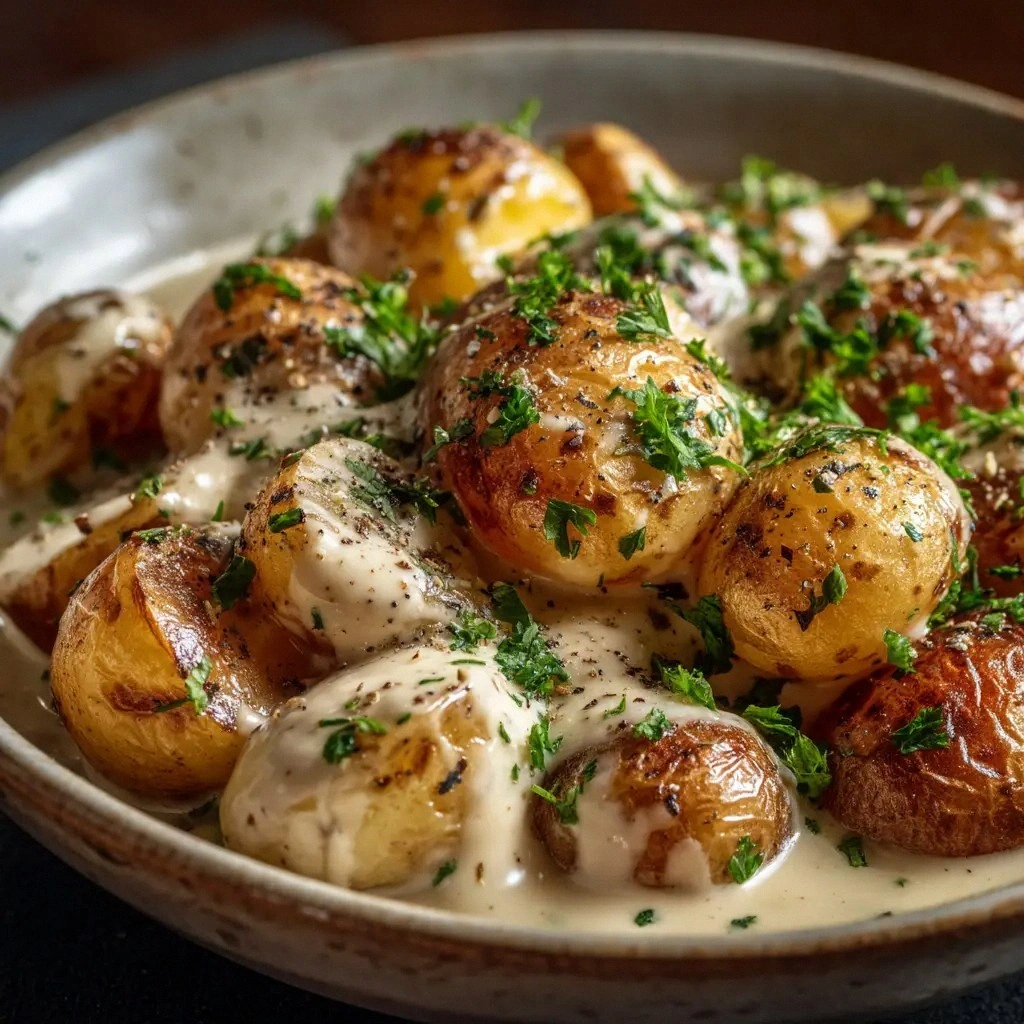
- Serve immediately, plating the potatoes in a shallow dish and spooning the remaining sauce over the top. Garnish with a sprinkle of extra parsley or a twist of lemon zest if desired. The dish looks as good as it tastes, with a glossy sheen that invites the first bite.
That's it — you did it. But hold on, I've got a few more tricks that'll take this to another level...
Insider Tricks for Flawless Results
The Temperature Rule Nobody Follows
Many cooks start the sauce on high heat, thinking it will speed things up. In reality, high heat causes the cream to separate and the sauce to become watery. Keep the heat low and let the sauce reduce slowly; this preserves the silky texture and prevents scorching. I once tried the high‑heat method and ended up with a clumpy, greasy mess.
Why Your Nose Knows Best
As the potatoes cook, you’ll notice a subtle, sweet scent that signals the perfect golden crust. Trust that aroma; it’s your cue to flip the potatoes. If you ignore it, you risk over‑cooking the exterior and under‑cooking the interior.
The 5-Minute Rest That Changes Everything
After removing the skillet from heat, let the potatoes sit for exactly five minutes. This brief pause allows the sauce to set, creating a velvety coat that won’t run off the plate. Skipping this step will leave the dish feeling thin and uncoated.
Fresh Garlic Over Powder
Ground garlic powder can’t match the depth of fresh garlic. Fresh cloves bring a bright, evolving flavor that deepens as they cook. If you’re short on time, use minced garlic, but avoid pre‑ground powders unless you’re willing to sacrifice quality.
Parboiling Saves Time
For large batches, parboil the potatoes for 5 minutes before sautéing. This cuts the sauté time in half and ensures uniform doneness. However, be careful not to over‑parboil, or the potatoes will become mushy once finished.
Creative Twists and Variations
This recipe is a playground. Here are some of my favorite ways to switch things up:
Herb‑Infused Cream
Swirl in a handful of chopped dill or tarragon into the sauce for a fragrant, herbaceous twist that pairs well with grilled salmon or roasted chicken.
Cheesy Overload
Add 1/2 cup of grated Gruyère or cheddar to the sauce, stirring until melted. The cheese creates a gooey, savory layer that feels indulgent.
Spicy Kick
Incorporate a pinch of crushed red pepper flakes or a dash of hot sauce into the sauce for a subtle heat that complements the buttery base.
Vegan Version
Replace butter with a plant‑based butter, use coconut milk instead of heavy cream, and choose a vegan cheese alternative. The flavor remains rich while staying dairy‑free.
Smoky Flavor
Add a splash of smoked paprika to the sauce, giving the potatoes a deep, smoky undertone that pairs beautifully with pork or beef.
Fresh Citrus
Finish the dish with a squeeze of fresh lemon juice or a sprinkle of orange zest for a bright, zesty finish that cuts through the richness.
Storing and Bringing It Back to Life
Fridge Storage
Cool the dish to room temperature before refrigerating. Transfer it to an airtight container and store for up to 3 days. The sauce may thicken slightly, but it will still be delicious.
Freezer Friendly
For longer storage, place the cooled dish in a freezer‑safe container and freeze for up to 2 months. Thaw overnight in the refrigerator before reheating.
Best Reheating Method
Reheat in a skillet over medium heat, adding a splash of milk or water to loosen the sauce. Stir until hot and silky. Avoid microwaving, as it can separate the cream and butter.
Adding a tiny splash of water before reheating steams the dish back to perfection, restoring that luscious, silky texture.