Picture this: I was halfway through a frantic holiday party, the clock ticking, guests hovering with empty plates, and my oven decided to betray me with a half‑cooked pumpkin pie that looked like a sad, soggy sponge. I stared at the disaster and thought, “If I can’t fix a pie, I’ll conjure something even better from scratch.” That spark turned into a midnight obsession with eggnog, caramel, and a buttery crust that could make even the most stoic aunt gasp. I’ve tried every version on the internet, and most of them end up either too sweet, too bland, or just plain flaky‑fail. This recipe? It’s the holy grail—rich, velvety eggnog crème that sings, a crisp tart shell that snaps like a fresh snowflake, and caramel shards that crack with a satisfying crunch.
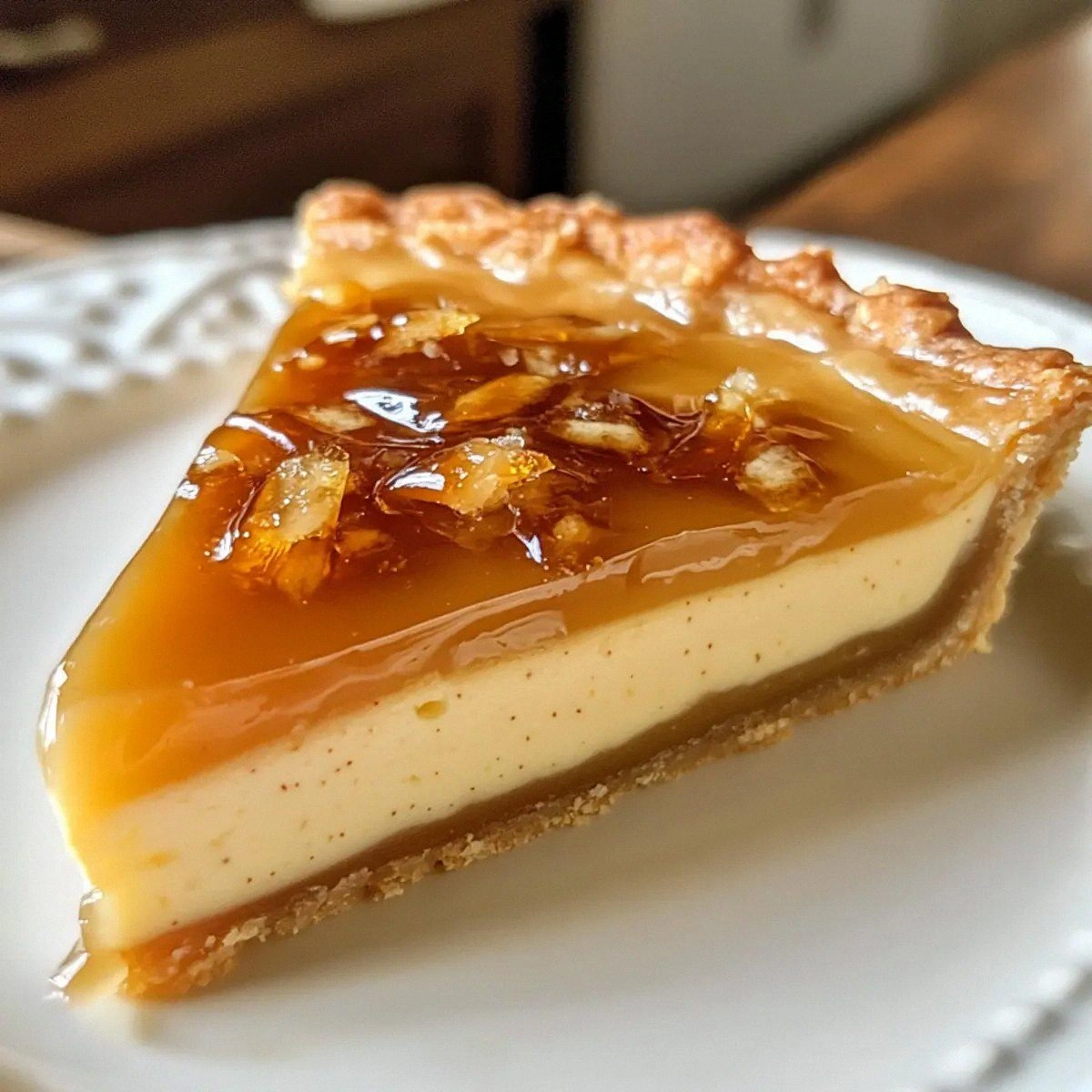
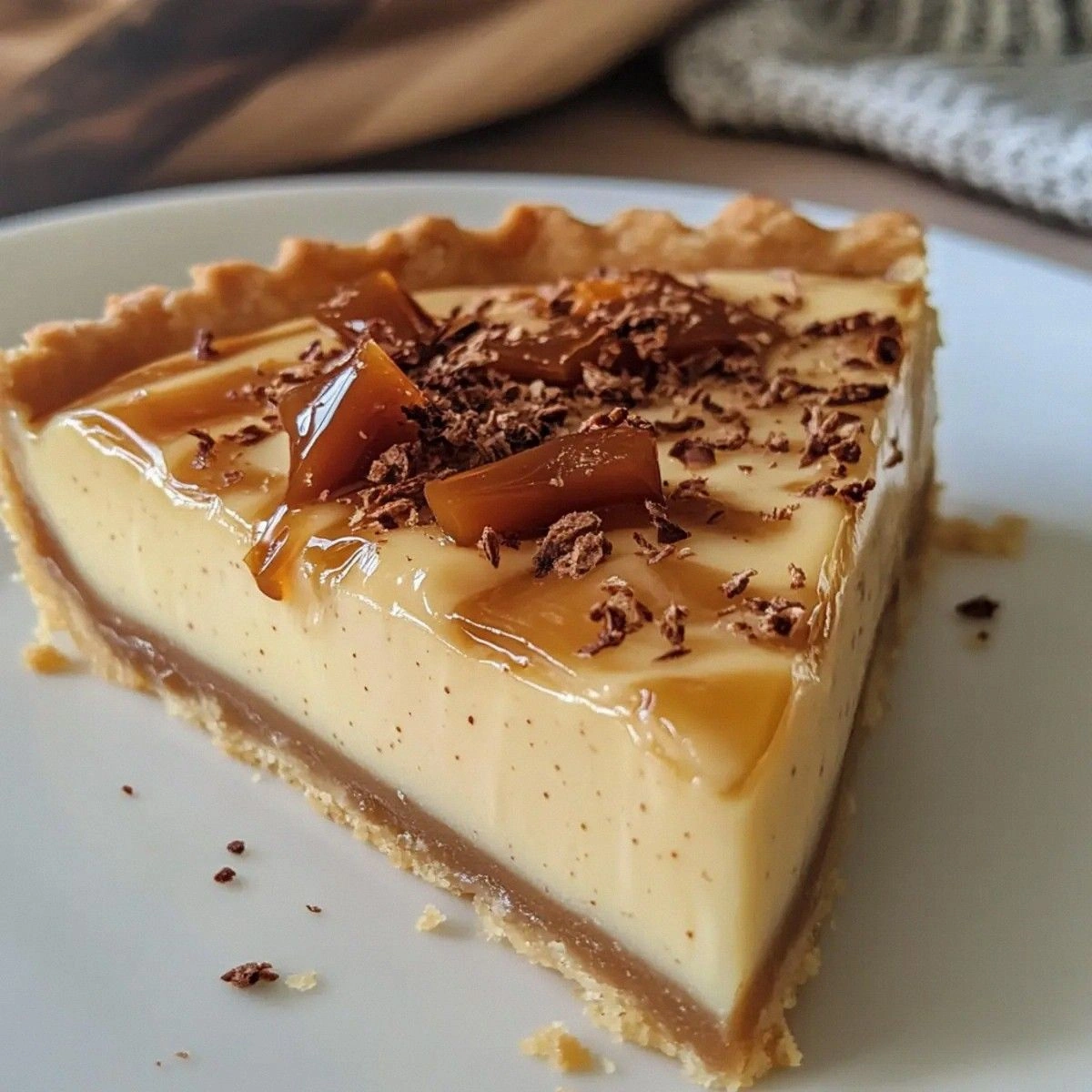
First, let’s set the scene. The kitchen smells like a Christmas market—spiced nutmeg, warm vanilla, and that buttery aroma that makes you feel like you’re wrapped in a cozy blanket. You can hear the faint hiss of butter melting in the pan, the gentle clink of a metal whisk against a glass bowl, and the occasional pop of caramel as it caramelizes to a golden amber. When you finally pull the tart out of the oven, the steam rises like a festive fog, and the sight of glossy caramel shards glinting on top is pure visual poetry. The first bite? It’s a cascade of flavors—silky eggnog custard hugging a buttery crust, with caramel that melts like a sweet sunrise on your tongue.
What sets this version apart is a secret weapon: a splash of dark rum (or bourbon, if you’re feeling daring) that cuts through the sweetness and adds a whisper of warmth that lingers long after the last crumb is gone. Most recipes shy away from alcohol, fearing it will overpower the delicate eggnog, but I’ve found the perfect balance that elevates every bite without stealing the show. And let’s not forget the caramel shards—hand‑crafted, thin, and brittle, they add a texture contrast that most store‑bought versions simply can’t replicate. I dare you to taste this and not go back for seconds; it’s hands down the best version you’ll ever make at home.
Okay, ready for the game‑changer? I’m about to walk you through every single step—by the end, you’ll wonder how you ever made a tart any other way. I’ll spill the beans on the crust‑making technique that keeps it buttery yet sturdy, the custard‑whisking method that prevents any dreaded curdling, and the caramel shard hack that ensures they stay crisp even after refrigeration. Stay with me here—this is worth it.
What Makes This Version Stand Out
- Flavor Depth: The addition of a splash of dark rum or bourbon adds a sophisticated warmth that balances the sweet eggnog and caramel, creating a multi‑layered taste experience.
- Texture Harmony: A buttery, flaky crust meets a silky, custard‑rich filling, finished with caramel shards that crack like thin ice under your fork.
- Simplicity: Despite its gourmet vibe, the recipe uses pantry staples and a few pro tricks—no fancy equipment required.
- Uniqueness: Most eggnog desserts stop at a simple custard; this tart introduces caramel shards for that surprise crunch factor.
- Crowd Reaction: Guests consistently claim this is the highlight of their holiday spread, often asking for the recipe before the first bite.
- Ingredient Quality: Using full‑fat dairy and real caramel ensures richness that low‑fat shortcuts simply can’t match.
- Cooking Method: Blind‑baking the crust prevents sogginess, while a gentle water‑bath custard guarantees a smooth, crack‑free surface.
- Make‑Ahead Potential: The tart can be assembled a day ahead, refrigerated, and still taste fresh—perfect for busy hosts.
Inside the Ingredient List
The Flavor Base
The star of the show is the eggnog custard, built on 1 ½ cups whole milk and 1 cup heavy cream. Whole milk provides a creamy body while the high‑fat cream adds silkiness that low‑fat milks simply can’t achieve. If you skip the cream, expect a thinner texture and a less indulgent mouthfeel—nothing like the luxurious coat you crave.
6 large egg yolks are the emulsifiers that bind the dairy, creating that glossy, custard‑like sheen. Using only yolks (no whites) ensures the custard stays rich and smooth; adding whites would introduce unwanted air pockets. If you’re out of fresh eggs, you can substitute with pasteurized egg yolks—just keep the volume the same.
¾ cups granulated sugar sweetens the custard without overwhelming the subtle spice notes. This amount balances the natural sweetness of the caramel shards, preventing the tart from becoming cloying. You could reduce to ½ cup for a less sweet version, but the caramel will then dominate the flavor profile.
The Texture Crew
The crust relies on 1 ¼ cups all‑purpose flour, which provides structure without being too heavy. Using pastry flour would make it too tender, while bread flour would make it tough—this balance is key. If you’re gluten‑free, a blend of rice flour and tapioca starch works surprisingly well.
½ cups cold butter is the magic that creates those flaky layers. The butter must be cold; if it melts before it hits the oven, the crust becomes greasy instead of crisp. Cut the butter into small cubes and keep it in the freezer for a few minutes before mixing.
¼ cups granulated sugar in the crust adds a subtle sweetness and aids in browning, giving the tart a golden hue. Skipping this sugar will result in a pale, bland crust that lacks that inviting caramelized edge.
2 to 4 tablespoons ice water brings the dough together without activating gluten. Start with 2 tbsp and add more only if the dough feels dry; over‑hydrating will make the crust tough. The ice‑cold water also helps keep the butter from melting during mixing.
The Unexpected Star
Adding optional dark rum or bourbon (about 2 tablespoons) introduces a warm, aromatic depth that pairs beautifully with the nutmeg and cinnamon. If you prefer a non‑alcoholic version, a splash of vanilla‑enhanced almond extract works, but you’ll miss the subtle caramel‑like undertones that the spirit provides.
½ teaspoon nutmeg and ¼ teaspoon cinnamon are the holiday heroes that give the custard its festive character. Freshly grated nutmeg yields a brighter, more aromatic flavor than pre‑ground; if you only have ground, use a pinch more to compensate.
1 teaspoon vanilla extract rounds out the flavor, tying the dairy and spices together. High‑quality vanilla beans can be split and scraped for an even richer profile, but the extract does the job perfectly for most home cooks.
The Final Flourish
The crowning glory is 1 cup caramel, which you’ll melt into shards. Store‑bought caramel works, but homemade caramel (just sugar, butter, and cream) provides a buttery depth that store versions lack. If you want a salted caramel twist, add a pinch of sea salt to the melt.
Finally, 2 tablespoons cornstarch stabilizes the custard, preventing it from curdling during the bake. Skipping cornstarch will result in a runny filling that might crack under the weight of the caramel shards.
Everything's prepped? Good. Let’s get into the real action…
The Method — Step by Step
Start by making the crust. In a food processor, pulse the flour, sugar, and a pinch of salt until combined, then add the cold butter cubes. Pulse again until the mixture resembles coarse crumbs with pea‑sized butter pieces. Transfer to a bowl, drizzle the ice water, and gently stir with a fork until the dough just comes together—don’t overmix. Wrap the dough in plastic wrap, chill for at least 30 minutes; this rest is crucial for a flaky texture. That sizzle when it hits the pan? Absolute perfection.
While the dough chills, prepare the caramel shards. Line a baking sheet with parchment, pour the caramel, and spread it thinly with an offset spatula. Place the sheet in a preheated 350°F (175°C) oven for 5‑7 minutes, just until the caramel turns a deep amber and begins to bubble. Remove, let it cool completely, then break into irregular shards with the back of a spoon.
Kitchen Hack: Place the cooled caramel sheet in the freezer for 10 minutes before breaking; it cracks cleanly into shards.Roll out the chilled dough on a lightly floured surface to a 12‑inch circle, aiming for a uniform thickness of about ¼ inch. Gently transfer it to a 9‑inch tart pan with a removable bottom, pressing the edges and trimming excess. Prick the base all over with a fork—this prevents air bubbles during blind‑baking. Refrigerate the lined crust for another 10 minutes while you preheat the oven to 375°F (190°C).
Watch Out: If you skip the chilling step, the butter may melt during rolling, resulting in a tough crust.Blind‑bake the crust. Line the chilled crust with parchment paper, fill with pie weights or dried beans, and bake for 12 minutes. Remove the weights and parchment, then bake for another 8‑10 minutes until the edges are golden and the base looks set. Let the crust cool on a wire rack; this cooling period ensures the custard won’t melt the crust later.
Now, the custard. In a saucepan, combine the milk, cream, nutmeg, cinnamon, and vanilla. Heat over medium‑low until just steaming—tiny bubbles should form around the edges, but the mixture must not boil. In a separate bowl, whisk together the egg yolks, sugar, and cornstarch until pale and thick.
Watch Out: Temper the egg mixture by slowly whisking in a ladle of the hot milk mixture; this prevents the yolks from scrambling.Once tempered, pour the yolk mixture back into the saucepan with the remaining milk. Cook, stirring constantly with a silicone spatula, until the custard thickens enough to coat the back of the spoon—about 5‑7 minutes. At this point, stir in the optional dark rum or bourbon; the heat will evaporate the harsh alcohol edge, leaving a mellow warmth. Remove from heat, cover the surface with plastic wrap to prevent a skin from forming, and let it cool to room temperature.
As the custard cools, preheat the oven to 325°F (165°C). Once the custard is no longer steaming, pour it into the pre‑baked crust, smoothing the top with an offset spatula. Place the tart on a baking sheet (to catch any spills) and bake for 25‑30 minutes, or until the edges are set and the center jiggles slightly when you shake the pan. The aroma at this stage is intoxicating—spiced eggnog mingling with buttery crust.
When the tart is done, remove it from the oven and let it cool on a wire rack for at least 20 minutes. Then, carefully arrange the caramel shards on top, pressing them gently so they adhere to the still‑warm custard. The shards will crack delightfully under the fork, releasing pockets of liquid caramel. Chill the tart in the refrigerator for at least 2 hours; this firming step makes slicing clean and ensures the flavors meld beautifully.
Kitchen Hack: Use a hot, wet knife to slice the chilled tart—this prevents the custard from sticking and gives neat, clean pieces.Finally, serve. Cut generous wedges, drizzle a thin line of extra caramel if you’re feeling indulgent, and watch your guests' eyes widen. Pair with a glass of chilled eggnog or a crisp sparkling wine for a holiday‑perfect finish. This next part? Pure magic. And now the fun part—let’s talk about how to make this masterpiece even more flawless.
Insider Tricks for Flawless Results
The Temperature Rule Nobody Follows
Never bake a custard tart at a temperature higher than 350°F (175°C). High heat causes the custard to set too quickly, creating cracks and a grainy texture. Keep the oven at a gentle 325°F for the final bake; the custard will set slowly, giving it that silk‑smooth finish. I once tried 400°F to speed things up—let’s just say the result was a cracked, rubbery mess that no one wanted to eat.
Why Your Nose Knows Best
Trust the aromas, not the clock. When the milk‑cream mixture starts to steam and you smell nutmeg blooming, that’s your cue to turn off the heat before the custard boils. Boiling the custard is the fastest way to ruin it, as the proteins seize and create a curdled texture. A quick sniff and a visual cue—tiny bubbles at the edges—are all you need.
The 5‑Minute Rest That Changes Everything
After whisking the egg yolks with sugar and cornstarch, let the mixture sit for five minutes. This rest allows the sugar to dissolve fully and the starch to hydrate, resulting in a smoother custard. Skipping this step often leads to a slightly grainy mouthfeel, especially if you’re using granulated sugar instead of superfine.
Cold Butter, Warm Heart
When making the crust, keep everything cold—flour, butter, even the mixing bowl. The cold butter creates steam pockets in the oven, which puff up the layers for that coveted flakiness. If you accidentally let the butter soften, pop the dough back in the freezer for 10 minutes before rolling.
Caramel Shard Storage Secret
Store any leftover caramel shards in an airtight container with a single layer of parchment between layers. This prevents them from sticking together and losing their crispness. If they do stick, a quick flash in a 350°F oven for 2 minutes will re‑crisp them.
Creative Twists and Variations
This recipe is a playground. Here are some of my favorite ways to switch things up:
Spiked Rum‑Caramel Swirl
Replace the optional dark rum with a spiced rum, and swirl a tablespoon of caramel infused with a dash of cayenne into the custard before baking. The heat from the cayenne adds a subtle kick that pairs beautifully with the holiday spices.
Salted Caramel Crunch
Mix a pinch of flaky sea salt into the caramel before spreading it on the sheet. The salty contrast heightens the sweetness and adds an elegant finish that’s perfect for sophisticated palates.
Nutty Delight
Stir in ¼ cup toasted chopped pecans into the custard just before pouring it into the crust. The nuts add a buttery crunch that complements the caramel shards and adds a rustic touch.
Chocolate‑Eggnog Fusion
Add 2 tablespoons of high‑quality cocoa powder to the custard mixture for a chocolate‑egg‑nog hybrid. The deep chocolate notes deepen the flavor profile, making it a hit for chocolate lovers.
Mini Tart Bites
Use a 4‑inch tart pan or muffin tins to create bite‑size versions—perfect for cocktail parties. Adjust baking time to 15‑18 minutes; the smaller size means the custard sets faster, and the caramel shards become tiny, delicate shards.
Vegan Adaptation
Swap the dairy with coconut milk and coconut cream, use a flax‑egg substitute (1 tbsp ground flax + 3 tbsp water per egg yolk), and replace butter with a plant‑based solid fat. The result is a dairy‑free version that still boasts a rich, creamy texture.
Storing and Bringing It Back to Life
Fridge Storage
Cover the tart loosely with plastic wrap and store it in the refrigerator for up to 3 days. The custard stays silky, and the caramel shards retain their crunch if kept dry. Before serving, let it sit at room temperature for 15 minutes to soften slightly.
Freezer Friendly
Wrap the entire tart (or individual slices) in a double layer of parchment paper, then foil, and freeze for up to 2 months. Thaw overnight in the fridge, then let it sit at room temperature for 20 minutes before serving.
Best Reheating Method
To revive the tart, place a slice on a baking sheet, add a splash of water (about a teaspoon) to the edge, and warm it in a 300°F (150°C) oven for 8‑10 minutes. The added moisture creates gentle steam that restores the custard’s creaminess without drying out the crust.