I still remember the first time I attempted katsu curry at home. It was a rainy Tuesday evening, and I was craving that golden-crisp cutlet swimming in silky curry sauce from my favorite Japanese spot. Armed with overconfidence and a vague understanding of what actually goes into this dish, I ended up with soggy pork, a lumpy sauce that tasted suspiciously like cafeteria curry, and a kitchen that looked like a spice bomb exploded. Fast forward through several weeks of obsessive testing, countless cutlets, and one near-fire incident involving hot oil and my cat's tail, and I've cracked the code to what I firmly believe is the most satisfying comfort food on the planet.
Picture this: a perfectly tender pork cutlet that's been pounded until it's whisper-thin, coated in delicate panko breadcrumbs that shatter like autumn leaves under your fork, resting on a bed of steaming rice that's been patiently waiting to soak up every drop of that mahogany-colored curry sauce. That sauce though — it's not your average weeknight curry. We're talking about a velvety, complex blend that's been simmering away while you worked on the cutlets, developing layers of flavor that would make a Japanese grandmother nod approvingly. The aroma alone is enough to make your neighbors knock on your door asking what on earth you're cooking.
What makes this version different? I've taken every shortcut, every trick, every "why didn't I think of that" moment from my kitchen disasters and distilled them into a recipe that feels almost too easy. The curry sauce comes together in one pot while the cutlets rest, the panko coating stays crispy even after it's been bathed in sauce, and the whole thing comes together in under an hour. I dare you to taste this and not go back for seconds — actually, I double dare you, because I ate half the batch before anyone else even knew it was ready.
Let me walk you through every single step — by the end, you'll wonder how you ever made it any other way.
What Makes This Version Stand Out
Crispy-Guaranteed Coating: The secret isn't just panko — it's the double-dredge method that creates armor for your cutlet. After testing everything from cornflakes to crushed crackers, I discovered that a light dusting of cornstarch before the egg wash gives the panko something to really grab onto, resulting in edges that shatter like thin ice when you cut through them.
One-Pot Wonder Sauce: Most recipes have you juggling multiple pans like a circus act. Not here. We build the curry sauce in the same pan where we sautéed our aromatics, letting those browned bits (fond, if we're being fancy) become the foundation of something incredible. The result? Less dishes and more flavor than you thought possible.
Make-Ahead Magic: Here's the game-changer — you can prep the cutlets up to the breading stage and freeze them for up to a month. When that curry craving hits at 9 PM on a Wednesday, you're 12 minutes away from dinner. Future pacing: Picture yourself pulling these golden beauties from the freezer while your sauce simmers, feeling like the most prepared person in the world.
Comfort Food Gold Standard: If you've ever struggled with tough, dry cutlets, you're not alone — and I've got the fix. The combination of proper pounding, a quick brine, and the right oil temperature creates meat so tender it practically cuts itself. This is hands down the best version you'll ever make at home, and I don't make that claim lightly.
Weeknight Warrior: From fridge to table in 45 minutes flat, this recipe respects your time without compromising on flavor. While the sauce bubbles away, you're free to set the table, pour yourself a drink, or just stand there breathing in that incredible smell.
Crowd-Pleasing Power: I've served this to picky toddlers, skeptical teenagers, and that one friend who claims they "don't like curry" — they all asked for the recipe. The mild, slightly sweet curry sauce wins over even the most resistant eaters.
Alright, let's break down exactly what goes into this masterpiece...
Inside the Ingredient List
The Flavor Foundation
Pork loin chops are the traditional choice here, and for good reason — they have the perfect balance of flavor and tenderness when treated right. Look for chops that are about 1 inch thick; any thinner and they'll dry out, any thicker and you'll be pounding all day. The marbling matters too — those little white streaks of fat are flavor insurance, keeping your cutlet juicy even if you accidentally overcook it by a minute or two.
Japanese curry roux is where the magic happens, and no, you can't substitute with Thai curry paste and expect the same results. These little blocks of concentrated flavor are specifically formulated to create that signature sweet-savory sauce that defines katsu curry. Golden Curry is the most common brand, but Vermont Curry adds a touch of apple and honey that takes this to another level. If you absolutely can't find it, I'll be honest — you're missing out on what makes this dish special.
The aromatics — onion, carrot, and potato — aren't just filler vegetables. They each play a crucial role in building the sauce's body and complexity. The onion provides sweetness and depth, the carrot adds natural sugars and color, and the potato acts as a natural thickener while soaking up all that curry flavor like tiny flavor sponges.
The Texture Crew
Panko breadcrumbs are non-negotiable if you want that restaurant-quality crunch. These Japanese breadcrumbs are larger, flakier, and more irregular than their Italian cousins, creating nooks and crannies that get ultra-crispy in the hot oil. Regular breadcrumbs will give you a dense, heavy coating that tastes like disappointment. Trust me on this one — I've tried to cut corners and it never ends well.
Eggs and flour form the glue that holds everything together, but they're doing more than just sticking breadcrumbs to meat. The flour creates a dry surface for the egg to grab onto, while the egg provides protein that sets up during frying, creating a barrier that keeps the juices locked inside. Skipping the flour means watching your coating slide off in sad sheets.
Potato starch might seem like an unnecessary extra step, but this is what separates amateur katsu from restaurant-quality. When mixed with the flour, it creates an extra-crispy coating that stays that way even after you've ladled on the sauce. Cornstarch works in a pinch, but potato starch gives you that light, shatteringly crisp texture that makes people close their eyes when they take the first bite.
The Unexpected Star
Honey might seem out of place in a savory curry, but here's what actually works — a teaspoon added to the sauce rounds out all the sharp edges and ties the whole dish together. It's not enough to make the sauce taste sweet, just enough to balance the heat and deepen the complexity. Most recipes get this completely wrong, adding sugar that just sits there tasting one-dimensional.
Rice vinegar in the sauce is my secret weapon, added right at the end to brighten everything up. After all that rich, unctuous curry, you need something to cut through and make your palate excited for the next bite. Just a splash wakes up all the other flavors like turning on a light in a dim room.
The Final Flourish
Steamed rice is the canvas for this masterpiece, and please don't use instant rice unless you enjoy disappointment in grain form. Proper Japanese rice should be slightly sticky but still individual grains, the perfect vehicle for soaking up every last drop of that incredible sauce. Rinse your rice until the water runs clear — this removes excess starch that can make your rice gummy and sad.
Fukujinzuke (pickled vegetables) on the side aren't just for show — they provide a bright, tangy contrast that cuts through the richness of the curry. These sweet-sour pickles are traditional for a reason, but if you can't find them, a simple cucumber quick pickle will do the job. Just don't skip something acidic on the side; your taste buds will thank you.
Everything's prepped? Good. Let's get into the real action...
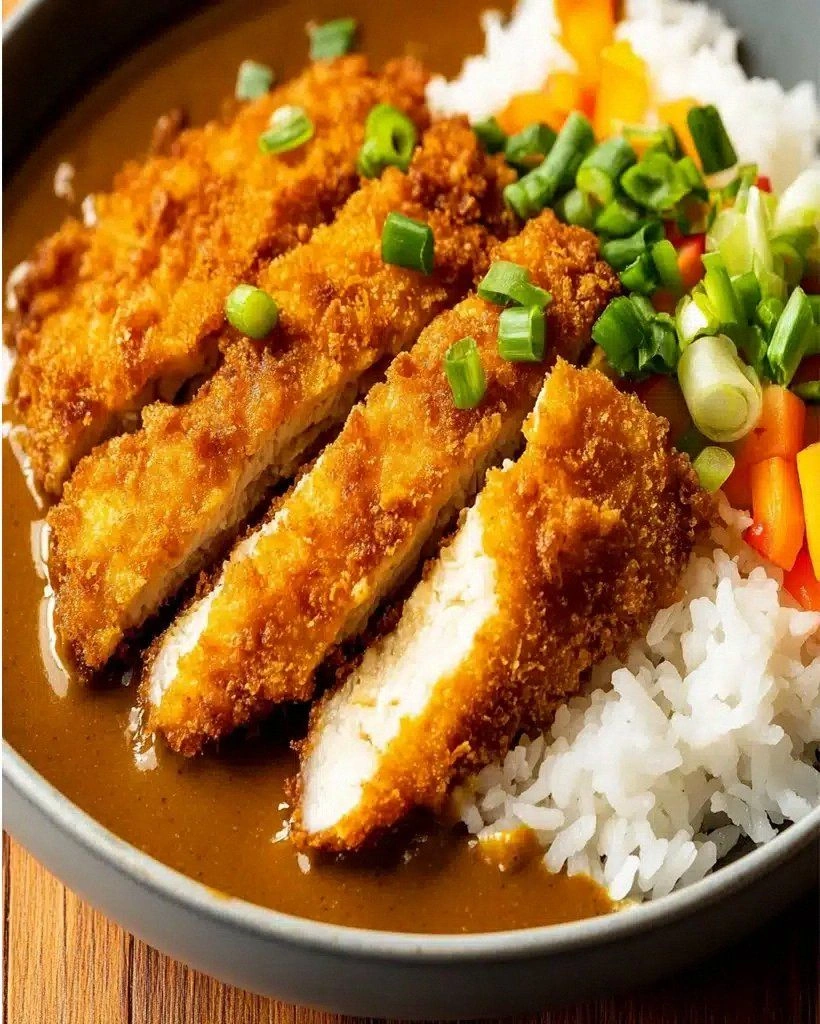
The Method — Step by Step
- Start with your pork loins — they need to be about 1/2 inch thick for optimal cooking. Place them between two sheets of plastic wrap and pound them out evenly with a meat mallet or the bottom of a heavy pan. You're not trying to pulverize them into oblivion, just coax them into a uniform thickness that'll cook evenly. This step is crucial — uneven cutlets mean some parts will be overcooked while others are still pink, and nobody wants to play Russian roulette with their dinner.
- Now for the quick brine that changes everything. Dissolve 2 tablespoons of salt in 4 cups of cold water, add your cutlets, and let them hang out for 15 minutes while you prep everything else. This isn't just about seasoning — the salt helps break down proteins, resulting in more tender meat. Plus, it seasons the cutlet all the way through, not just the surface. Don't skip this step unless you enjoy chewing on leather.
- While the pork is brining, let's get your vegetables going for the curry. Dice one large onion, two carrots, and one potato into roughly 1/2-inch pieces. The size matters here — too small and they'll disintegrate into the sauce, too large and they'll never cook through. Heat 2 tablespoons of oil in a heavy pot over medium heat and start with the onions. You want them translucent and starting to brown at the edges, which should take about 8 minutes. That sizzle when they hit the pan? Absolute perfection.
- Once your onions are golden and fragrant, add the carrots and potatoes, stirring to coat them in all those beautiful browned bits. Cook for another 5 minutes, letting them get acquainted with each other. Now add 2 1/2 cups of water, bring it to a boil, then reduce to a simmer and cover. Let this bubble away happily for 15 minutes while you work on the cutlets. The vegetables should be tender but not falling apart — think al dente but for veggies.
- Time to set up your breading station — this is where things get fun. You'll need three shallow dishes: one with flour mixed with potato starch, one with beaten eggs, and one with panko. Season the flour mixture with salt and pepper, and make sure everything is within arm's reach. This next part? Pure magic. Remove your cutlets from the brine, pat them dry with paper towels, and we're ready to coat.
- Dredge each cutlet in the flour mixture, making sure to coat every surface — this is your insurance policy against the coating falling off. Shake off the excess, then dip it in the egg wash, letting the excess drip off. Finally, press it into the panko, really pushing those breadcrumbs into every nook and cranny. You want a thick, even coating that'll create that signature shatter when you bite into it. Set the breaded cutlets on a wire rack and let them rest for 10 minutes — this helps the coating adhere.
- Heat about 1/2 inch of oil in a heavy skillet over medium-high heat. Here's where most recipes get this completely wrong — they don't tell you how to tell when the oil is ready. You want it hot enough that a piece of panko sizzles immediately when dropped in, but not so hot that it burns. If you've got a thermometer, aim for 340°F. No thermometer? Stick the handle of a wooden spoon in the oil — if bubbles form around it like it's breathing, you're good to go.
- Gently lower your cutlets into the oil and don't walk away from the stove here. They need about 3-4 minutes per side, depending on thickness. You're looking for a deep golden brown, not pale blonde. Flip them carefully with tongs, trying not to splash hot oil everywhere. When they're done, transfer to a wire rack set over a baking sheet to drain. Keep them warm in a low oven while you finish the sauce.
- Back to your curry — the vegetables should be tender by now. Reduce the heat to low and add your curry roux, breaking it up with a spatula. Stir constantly until it dissolves completely, then add the honey and soy sauce. Let this simmer for another 5 minutes, stirring occasionally. The sauce should thicken to coat the back of a spoon. If it's too thick, add a splash of water; too thin, let it reduce a bit more. Finish with a dash of rice vinegar and you're done.
That's it — you did it. But hold on, I've got a few more tricks that'll take this to another level...
Insider Tricks for Flawless Results
The Temperature Rule Nobody Follows
Here's the thing about frying — oil temperature is everything, but it's not just about hitting the right number. You need to maintain that temperature throughout cooking, which means not adding too many cutlets at once and letting the oil recover between batches. I learned this the hard way when I tried to rush through four cutlets at once and ended up with oil-logged disasters. A friend tried skipping this step once — let's just say it didn't end well, and her smoke alarm still hasn't forgiven her.
The real trick is to use a heavy pan that holds heat well, like cast iron, and to have your cutlets at room temperature before they hit the oil. Cold meat drops the oil temperature faster than you can say "katsu," resulting in greasy, sad cutlets. Let them sit out for 15 minutes while your oil heats up — your patience will be rewarded with perfectly crispy results.
Why Your Nose Knows Best
That moment when the curry hits the vegetables and fills your kitchen with that incredible aroma? That's when you know you're on the right track. But here's what most people miss — smell your sauce throughout cooking. It should smell sweet and complex, not harsh or one-note. If it smells too sharp, add a pinch more honey. Too flat? A splash of soy sauce will wake it up. Your nose is actually a better gauge than tasting with a spoon — it picks up on balance issues before your tongue does.
I always know when someone's made this recipe correctly because they text me about how their house smelled like a Tokyo curry shop. That smell is the first indication that you've nailed it, even before you taste anything. Trust your nose — it's been evolving for millions of years to tell you when food is going to be delicious.
The 5-Minute Rest That Changes Everything
After you fry your cutlets, resist the urge to cut into them immediately. That 5-minute rest on the wire rack isn't just about draining excess oil — it's about letting the juices redistribute throughout the meat. Cut too soon and all those juices run out onto your cutting board, leaving you with dry pork and a mess to clean up. Plus, this brief rest actually helps the coating set, making it even crispier.
During this rest, you can finish your sauce and steam your rice if you haven't already. By the time everything else is ready, your cutlets will be at the perfect temperature for slicing. When you do cut them, use a sharp knife and press straight down rather than sawing — you want clean cuts that show off that perfect cross-section of crispy coating and juicy meat.
Creative Twists and Variations
This recipe is a playground. Here are some of my favorite ways to switch things up:
Chicken Katsu for the Win
Swap the pork for chicken breast pounded to an even thickness — it cooks faster and is often easier to find. The key is to not overcook it, as chicken breast dries out faster than pork. Aim for 2-3 minutes per side in the oil, and use a thermometer to ensure it hits 165°F internally. Kids especially love this version, and it's a great way to use up those giant chicken breasts that seem to multiply in the fridge.
Tofu Katsu for Plant-Based Magic
Firm tofu, pressed and sliced into 1/2-inch slabs, makes an incredible vegetarian version. The trick is to freeze the tofu first, then thaw and press it — this changes the texture to something meaty and satisfying. Coat it the same way, but fry at a slightly lower temperature (325°F) to avoid burning the breadcrumbs before the tofu heats through. Even my carnivore friends request this version regularly.
Spicy Katsu for Heat Seekers
Add 2 tablespoons of curry powder and a diced chili to your vegetables when making the sauce. You can also mix some sriracha into your egg wash for the cutlets, giving you heat from both directions. The sweet-spicy combo is absolutely addictive, and you'll find yourself making extra sauce just to have leftovers. Fair warning: once you go spicy katsu, regular katsu might seem a bit tame.
Cheese-Stuffed Katsu for Indulgence
Butterfly your pork cutlets and stuff them with a slice of mozzarella before breading and frying. The cheese melts into molten goodness during frying, creating a surprise center that makes people gasp when they cut into it. It's over-the-top in the best possible way, perfect for when you want to impress dinner guests or just treat yourself to something ridiculous and delicious.
Katsu Curry Bowls for Meal Prep
Cube your fried cutlets and serve everything in separate containers for build-your-own bowls. The cutlets stay crispy in the fridge, and you can reheat them in a toaster oven while the sauce warms on the stove. This is my go-to for making katsu curry accessible on busy weeknights — everything prepped and ready to assemble in under 5 minutes.
Mini Katsu Sliders for Parties
Make smaller cutlets using pork tenderloin sliced into medallions and pounded thin. Serve them on Hawaiian rolls with a spoonful of curry sauce and some shredded cabbage for crunch. These disappear faster than you can plate them at parties, and they're way more interesting than the usual slider options. People will hover around the platter like vultures.
Storing and Bringing It Back to Life
Fridge Storage
Store the cutlets and sauce separately in airtight containers — the cutlets will last 3 days in the fridge, the sauce up to 5 days. The key to maintaining that crispy texture is to let the cutlets cool completely before refrigerating, and to store them on a wire rack if possible. This prevents condensation from making them soggy. The sauce actually gets better after a day or two as the flavors meld together.
When storing the sauce, press plastic wrap directly onto the surface to prevent a skin from forming. You can also freeze portions of sauce in ice cube trays for quick weeknight meals — just pop out what you need and reheat. The cutlets don't freeze well once cooked, but raw breaded cutlets freeze beautifully for up to 2 months.
Freezer Friendly
Raw, breaded cutlets freeze like a dream — arrange them on a baking sheet to freeze individually, then transfer to freezer bags. When you're ready to cook, fry them straight from frozen, just add an extra minute or two to the cooking time. This is meal prep gold, especially if you double or triple the recipe. I always have a bag of these in my freezer for emergency comfort food needs.
The sauce also freezes well for up to 3 months. I like to freeze it in quart-size bags laid flat, which makes it easy to break off chunks as needed. Thaw overnight in the fridge or use the defrost setting on your microwave. Add a splash of water when reheating if it's too thick.
Best Reheating Method
For the cutlets, skip the microwave unless you enjoy rubbery meat. Instead, reheat them in a 400°F oven for 8-10 minutes on a wire rack set over a baking sheet. This crisps them back up beautifully. You can also use an air fryer at 375°F for 3-4 minutes, which gives you nearly fresh results.
The sauce reheats best in a small saucepan over medium heat, stirring occasionally. Add a tiny splash of water before reheating — it steams back to perfection and prevents scorching. If you're in a hurry, the microwave works fine for the sauce, just heat it in 30-second bursts, stirring between each one.