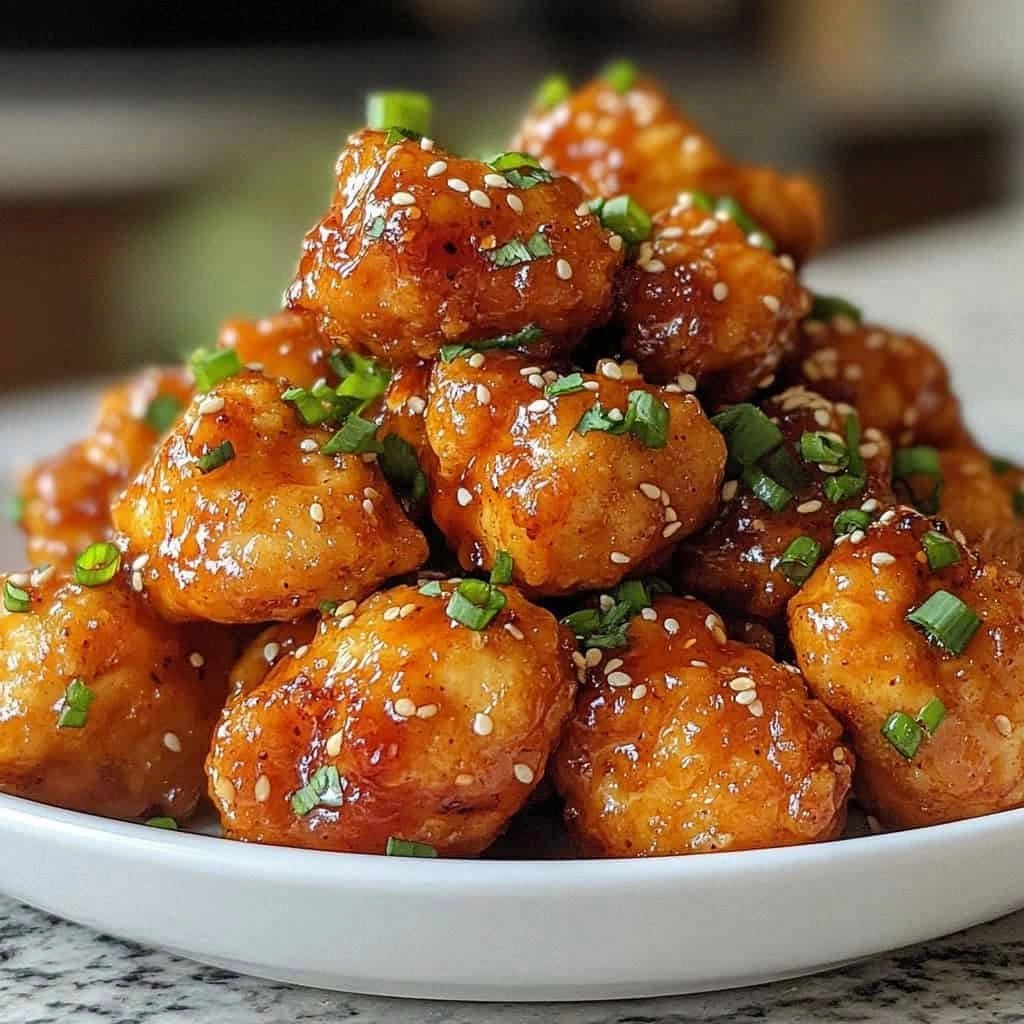
I've spent the better part of two decades chasing the perfect Bang Bang Chicken recipe, and let me tell you, I've made every mistake in the book. There was the time I used breast meat and ended up with dry, stringy chunks that tasted like disappointment. Then there was the incident where I thought more sriracha meant more flavor and nearly set my dinner guests' mouths on fire. But last month, after what my roommate calls "the great Bang Bang obsession of 2024," I finally cracked the code. The result? A sticky-sweet-spicy masterpiece that had my neighbors knocking on my door at midnight, begging to know what smelled so incredible.
Picture this: tender chicken thighs, marinated in a symphony of soy, ginger, and garlic, then tossed in a sauce that coats each piece like liquid gold. The first bite hits you with creamy richness, then boom — that signature kick that makes your taste buds sit up and pay attention. The edges get these lacy, caramelized bits that shatter like thin ice between your teeth, while the inside stays juicy enough to make you close your eyes and sigh. That sizzle when it hits the pan? Absolute perfection. I dare you to taste this and not go back for seconds — actually, I triple-dog-dare you, because I ate half the batch before anyone else got to try it, and I'm supposed to have better self-control than that.
Most recipes get this completely wrong. They treat the sauce like an afterthought, something to throw together while the chicken's cooking. But here's what actually works: building layers of flavor that start the moment your knife hits the cutting board. We're talking about marinating the chicken in a mixture that includes cornstarch — yes, cornstarch — which creates this incredible velvety texture that holds onto the sauce like it was born to do it. And the sauce? We're making it from scratch with real mayonnaise (none of that Miracle Whip nonsense), balancing heat with honey, and adding a whisper of sesame oil that makes the whole thing taste like it came from a restaurant where you need reservations three months in advance.
Let me walk you through every single step — by the end, you'll wonder how you ever made it any other way. We're going to marinate, we're going to sear, we're going to create a sauce that you'll want to put on everything from scrambled eggs to ice cream (okay, maybe not ice cream, but you get the point). Future you is already thanking present you for sticking with this, because when you pull this out of your kitchen and the whole house smells like a Asian-fusion paradise, you'll understand why I've been making this every Sunday for the past eight weeks straight.
What Makes This Version Stand Out
Restaurant-Quality Texture: The cornstarch in the marinade creates this magical coating that turns golden and slightly crispy while keeping the chicken incredibly tender. It's the difference between homemade that tastes, well, homemade, and something that makes people ask which takeout place you ordered from.
Balanced Heat That Builds: Instead of assaulting your mouth with pure fire, this sauce layers heat so it creeps up on you. The sweetness from the honey and the creaminess from the mayo create a buffer that lets you appreciate the sriracha's complexity rather than just surviving it.
Make-Ahead Magic: You can prep everything up to the final toss the night before. The chicken actually gets better as it sits in the marinade, and the sauce flavors meld into something transcendent. I've fed this to a dinner party of twelve with everything ready but the final assembly — took me ten minutes to finish.
Ingredient Flexibility: While I'm giving you the ultimate version, this recipe forgives substitutions like a saint. No rice vinegar? Apple cider works. Out of honey? Brown sugar dissolves beautifully. It's foolproof without tasting like you compromised.
The Cabbage Slaw Game-Changer: Most recipes skip the bed of vegetables, but that crunchy, tangy slaw underneath isn't just garnish — it's essential. It cuts through the richness, adds texture contrast, and turns this from appetizer to complete meal.
Crowd Psychology: There's something about the combination of creamy, spicy, sweet, and crunchy that bypasses people's food prejudices. I've served this to spice-haters who asked for the recipe, and mayo-phobes who couldn't believe what they'd just eaten.
Alright, let's break down exactly what goes into this masterpiece...
Inside the Ingredient List
The Flavor Base
Chicken thighs are non-negotiable here, and I'll fight anyone who says otherwise. Breast meat dries out faster than a stand-up comedian bombing on stage, while thighs stay juicy and forgiving even if you get distracted by a text message mid-cook. The fat content in thighs bastes the meat from the inside, creating self-basting magic that breast meat can only dream about. When you're cutting them into pieces, aim for a uniform one-inch size — too small and they'll overcook, too large and they won't get enough surface area for that glorious caramelization.
Soy sauce isn't just about salt — it's packed with glutamates that trigger our umami receptors and make everything taste more like itself. I prefer low-sodium versions because we're building layers of seasoning, not just making chicken jerky. The rice vinegar adds brightness that makes your mouth water, creating a craving response before you even taste the final dish. Together, they penetrate the meat and start breaking down proteins, essentially pre-digesting your dinner so it's more tender and flavorful.
The Texture Crew
Cornstarch is the secret weapon that separates amateur hour from pro-level results. When it hits the hot oil, it creates a micro-thin coating that turns golden and slightly crispy while protecting the meat from drying out. This isn't about making fried chicken — it's about creating a surface that grabs onto sauce like velcro. The cornstarch also helps thicken the marinade so it clings to every nook and cranny of the chicken, ensuring no bland bites.
Fresh ginger and garlic aren't just flavor agents — they're aromatic powerhouses that perfume your kitchen and signal to everyone's lizard brain that something amazing is happening. The ginger adds warmth without heat, while the garlic provides that savory backbone that makes people close their eyes when they taste it. Grate the ginger with a microplane and mince the garlic fine — you want them to disappear into the marinade, not show up as chunky surprises.
The Unexpected Star
White pepper might seem like an odd choice, but it adds a subtle heat and floral note that black pepper can't match. It's traditional in Asian cooking for a reason — it provides warmth without the visual distraction of black specks. The flavor is more complex than you'd expect, with hints of citrus and pine that play beautifully with the other seasonings. If you've never cooked with it, prepare to become obsessed and start putting it in everything from scrambled eggs to chocolate chip cookies.
The Final Flourish
The sauce ingredients read like a shopping list for the United Nations of flavor — Japanese mayo, Thai sweet chili, American sriracha, Chinese rice vinegar, and Middle Eastern sesame oil. This isn't fusion confusion; it's deliberate flavor layering that creates something greater than the sum of its parts. The mayonnaise provides creamy richness and helps the sauce cling to the chicken, while the sweet chili sauce adds glossy sweetness and mild heat. Sriracha brings the fire, but honey smooths it out, creating a push-pull of heat and sweet that keeps you coming back for another bite.
Sesame oil is potent stuff — a little goes a long way, but without it, the whole dish tastes flat and one-dimensional. It adds nuttiness and depth that makes the sauce taste like it simmered for hours instead of being whisked together in thirty seconds. The garlic powder and ground ginger might seem redundant since we used fresh versions earlier, but they provide background notes that round out the flavor profile. Think of fresh aromatics as the lead singers and dried spices as the backup vocalists — both essential for a hit song.
Everything's prepped? Good. Let's get into the real action...
The Method — Step by Step
- In a medium bowl, combine the chicken pieces with soy sauce, rice vinegar, cornstarch, grated ginger, minced garlic, salt, and white pepper. Use your hands — yes, your hands — to massage the marinade into every piece of chicken. This isn't just mixing; you're ensuring each chunk gets coated in the starchy, flavorful mixture that will transform into a silky coating. Cover the bowl with plastic wrap and let it hang out on the counter for at least 30 minutes, or up to 4 hours in the fridge. During this time, the cornstarch hydrates and creates a protective coating, while the salt and acid work their tenderizing magic on the meat fibers.
- While the chicken marinates, whisk together all the sauce ingredients in a separate bowl. Start with the mayonnaise as your base — use good quality stuff, not the diet version that's mostly water and sadness. Add the sweet chili sauce and watch as the mixture turns this gorgeous peachy color that makes you want to stick your finger in it. Drizzle in the sriracha, but here's the key: start with less than you think you need. You can always add more heat, but you can't take it away. The honey, rice vinegar, and sesame oil complete the symphony, creating a sauce that tastes like it should cost $15 at a fancy restaurant.
- Heat a large skillet or wok over medium-high heat until it's screaming hot. Add the vegetable oil and swirl to coat — the oil should shimmer like a mirage on a hot road. This is the moment of truth: carefully add the marinated chicken in a single layer. Don't crowd the pan, or you'll steam instead of sear. Work in batches if necessary, because crispy edges are what we're after here. Let the chicken cook undisturbed for about 3-4 minutes — resist the urge to poke, prod, or flip. Those golden-brown edges develop when the meat has time to make proper contact with the hot surface.
- Flip the chicken pieces and cook for another 2-3 minutes until they're golden on the second side and cooked through. The internal temperature should read 165°F, but honestly, you can tell by pressing — it should feel firm but still have a little give. Transfer the cooked chicken to a plate and let it rest for a few minutes. This isn't just being fancy — resting lets the juices redistribute so every bite is moist and flavorful. Don't skip this step, or you'll end up with delicious-tasting cardboard.
- While the chicken rests, make the slaw by combining the shredded cabbage, carrots, green onions, and cilantro in a large bowl. In a separate small bowl, whisk together rice vinegar, sesame oil, soy sauce, sugar, and salt until the sugar dissolves. Pour the dressing over the vegetables and toss well — really get in there with your hands to massage the cabbage. This breaks down the tough fibers and helps the vegetables absorb the dressing. Let it sit for at least 10 minutes while you finish the chicken. The cabbage will wilt slightly and become more tender while staying crunchy.
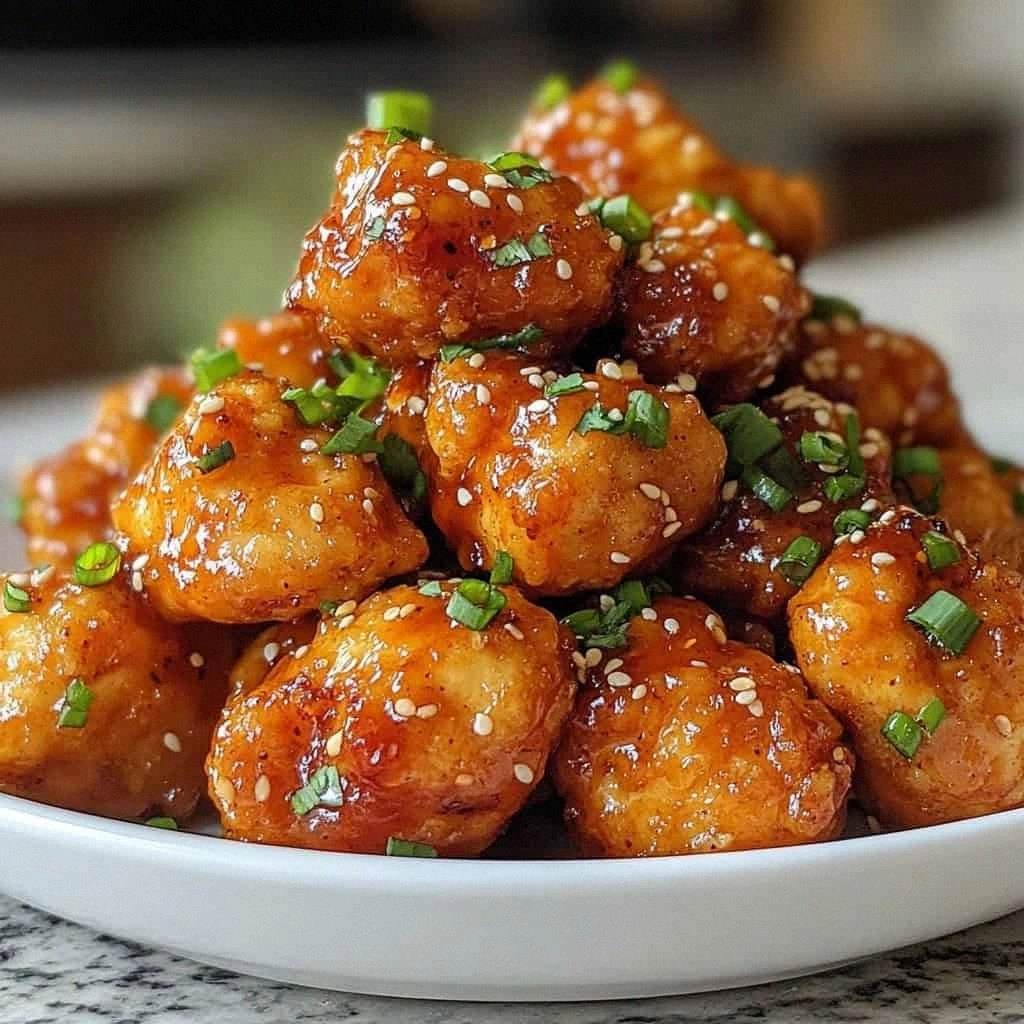
- Now comes the fun part. Return the chicken to the pan (or a clean bowl if you're fancy) and pour over about three-quarters of the bang bang sauce. Toss everything together gently — you want to coat each piece without breaking up the chicken. The sauce should cling to the cornstarch coating, creating this glossy, irresistible coating. If it looks too dry, add more sauce a tablespoon at a time. If you've got leftover sauce, save it for dipping or drizzling over the finished dish.
- To serve, create a bed of the tangy slaw on a large platter or individual plates. Arrange the sauce-coated chicken on top, making sure to include all those gorgeous caramelized bits from the pan. Drizzle with any remaining sauce, then shower the whole thing with sesame seeds, chopped peanuts, extra green onions, and a pinch of chili flakes for color. The contrast between the hot, sticky chicken and the cool, crunchy slaw is what makes this dish sing. Serve immediately while the chicken is still warm and the sauce is glossy and inviting.
That's it — you did it. But hold on, I've got a few more tricks that'll take this to another level...
Insider Tricks for Flawless Results
The Temperature Rule Nobody Follows
Here's what separates good Bang Bang Chicken from the kind that makes people speechless: managing your pan temperature like a pro. Start with a hot pan, but don't walk away once the chicken goes in. The cornstarch coating can go from golden to garbage in under a minute if your heat's too high. After the initial sear, reduce the heat slightly to let the chicken cook through without burning the exterior. If you're cooking multiple batches, let the pan reheat for 30 seconds between rounds — a lukewarm pan is the enemy of crispy edges.
I learned this the hard way after serving blackened chicken to my in-laws. They were polite about it, but the dog got more pieces than anyone else. Now I keep a spray bottle handy — if things get too hot, a quick mist cools the pan without killing the sear. It's like having firefighter training for your dinner.
Why Your Nose Knows Best
Don't underestimate the power of aromatics in this dish. When you add the ginger and garlic to the marinade, take a moment to smell them — fresh ginger should smell bright and citrusy, while garlic should hit you with that savory punch. If either smells flat or musty, they're past their prime and will drag down the whole dish. This might sound obsessive, but aromatics are the backbone of flavor here.
Same goes for the sesame oil — give it a sniff before adding it to the sauce. Good sesame oil smells nutty and rich, not rancid or sharp. A friend tried making this with ancient sesame oil from the back of her pantry and wondered why her kitchen smelled like old peanuts. Fresh ingredients aren't just about ethics; they're about flavor that makes people ask for your secret.
The 5-Minute Rest That Changes Everything
After you toss the chicken with sauce, let it sit for exactly five minutes before serving. This isn't just being precious — it's science. During this rest, the sauce thickens slightly and really adheres to the chicken. The flavors meld together, and the temperature evens out so you don't burn your mouth on the first bite. Plus, it gives you time to finish the slaw or pour yourself a well-deserved drink.
A restaurant chef taught me this trick. He said the difference between home cooking and restaurant food is often just timing — professionals build in these micro-rests because they know it makes everything taste more integrated. Your chicken will taste like it was made by someone who knows what they're doing, which, after following this recipe, you absolutely do.
Creative Twists and Variations
This recipe is a playground. Here are some of my favorite ways to switch things up:
The Surf and Turf Deluxe
Replace half the chicken with large shrimp, peeled and deveined. Marinate them separately for just 15 minutes — any longer and the acid starts cooking the shrimp ceviche-style. Sear the shrimp for just 2 minutes per side until pink and curled, then combine with the chicken for the final sauce toss. The sweet shrimp meat plays beautifully against the spicy sauce, and the different textures keep every bite interesting. Serve this version when you want to impress someone who thinks they know good food.
The Vegetarian's Revenge
Firm tofu, pressed and cubed, makes an incredible substitute for the chicken. The key is getting it really dry before marinating — I wrap it in paper towels and weight it down with a cast iron pan for 30 minutes. The cornstarch coating works even better on tofu, creating these crispy edges that soak up sauce like a dream. Add some roasted cauliflower florets for extra texture. Even my carnivore friends request this version when they come over for game night.
The Low-Carb Game Changer
Skip the cornstarch coating and instead dust the chicken with a mixture of almond flour and a teaspoon of baking powder. The baking powder helps the almond flour brown and crisp up, creating a similar texture without the carbs. Replace the honey in the sauce with a sugar-free syrup, and serve the whole thing over cauliflower rice. It's not exactly the same, but it's close enough that my keto-obsessed cousin cried when she tasted it. Sometimes being healthy shouldn't mean being sad.
The Breakfast Bang Bang
Okay, stay with me here — this sauce on fried eggs is life-changing. Make the sauce as written but add an extra squeeze of lime. Fry eggs sunny-side up so the yolk stays runny, then drizzle with the warmed sauce. Serve over rice with the slaw on the side. I discovered this during a particularly brutal hangover, and now it's my Sunday morning tradition. Sweet, spicy, creamy, runny yolk mixing with the sauce? It's like breakfast and brunch had a beautiful baby.
The Fusion Tacos
Chop the finished chicken into smaller pieces and pile into warm corn tortillas. Top with the slaw, extra sauce, sliced avocado, and a sprinkle of queso fresco. The combination of Asian flavors with Mexican delivery systems is the kind of fusion that actually works. I serve these at parties and watch people demolish a dozen without realizing it. The handheld format makes it perfect for standing around and talking, plus you get to lick sauce off your fingers, which is somehow more satisfying than using a fork.
The Heat Seeker's Special
For those who think sriracha is for beginners, add a teaspoon of gochujang to the sauce and replace half the honey with Korean chili paste. Throw in some sliced fresh chili peppers during the final toss, and serve with extra sriracha on the side. This version builds heat slowly but keeps climbing until you're sweating in the best possible way. Keep milk handy, but don't be surprised if you find yourself addicted to the endorphin rush. Fair warning: this version has ended at least three friendships over who gets the last piece.
Storing and Bringing It Back to Life
Fridge Storage
Store leftover chicken and slaw separately in airtight containers — the chicken keeps for 3-4 days, while the slaw stays crisp for about 2 days. The sauce will thicken considerably when cold, so don't panic when you open the container and see chicken in sauce-spackle. To reheat, spread the chicken in a single layer on a microwave-safe plate and add a teaspoon of water. Cover with a damp paper towel and microwave for 60-90 seconds until just warmed through. The water creates steam that loosens the sauce and prevents the chicken from drying out.
Whatever you do, don't reheat the chicken with the slaw — warm cabbage goes from crunchy delight to sad, wilted mess faster than you can say "leftovers." Keep them separate until serving, even if you're just reheating for yourself. Your future self deserves better than soggy vegetables.
Freezer Friendly
The chicken freezes beautifully for up to 2 months, but freeze it without the sauce for best results. Spread cooked chicken pieces on a baking sheet and freeze until solid, then transfer to a freezer bag. This prevents clumping and lets you grab exactly how much you need. The sauce can be frozen separately in ice cube trays — each cube is about 2 tablespoons, perfect for portion control. When you're ready to eat, thaw both components overnight in the fridge, then warm the chicken in a skillet and toss with the thawed sauce.
The slaw doesn't freeze well — the vegetables turn to mush when thawed. But honestly, making fresh slaw takes five minutes, and it's worth the small effort for that crunch contrast. If you're prepping for future meals, shred extra cabbage and carrots and store them dry in the fridge. They'll keep for a week and you can dress them fresh whenever the craving hits.
Best Reheating Method
For the absolute best results, skip the microwave and reheat in a skillet over medium heat. Add the chicken with a splash of water or chicken broth, cover with a lid, and let it steam for 3-4 minutes until heated through. Remove the lid for the last minute to let any excess moisture evaporate and the sauce re-caramelize slightly. This method brings back that fresh-cooked texture and flavor that makes leftovers feel intentional rather than desperate.
If you're reheating for a crowd, spread the chicken in a baking dish, cover with foil, and warm at 325°F for about 15 minutes. Remove the foil for the last 5 minutes to let the top get sticky again. This method works great when you're serving this at potlucks or family gatherings where you need to bring something that tastes like you just made it.