I was halfway through a marathon Netflix binge when my stomach started growling louder than the opening credits of a blockbuster. I tried to convince myself that a bowl of instant noodles would suffice, but the craving for something that actually tasted like a night out in Chinatown was too strong to ignore. I grabbed whatever was in the fridge, tossed a few veggies into a pan, and ended up with a chaotic mess that could have been a science experiment. That disaster turned into a revelation: the perfect balance of savory, sweet, and umami can be achieved in under thirty minutes, and you don’t need a wok that costs more than your rent.
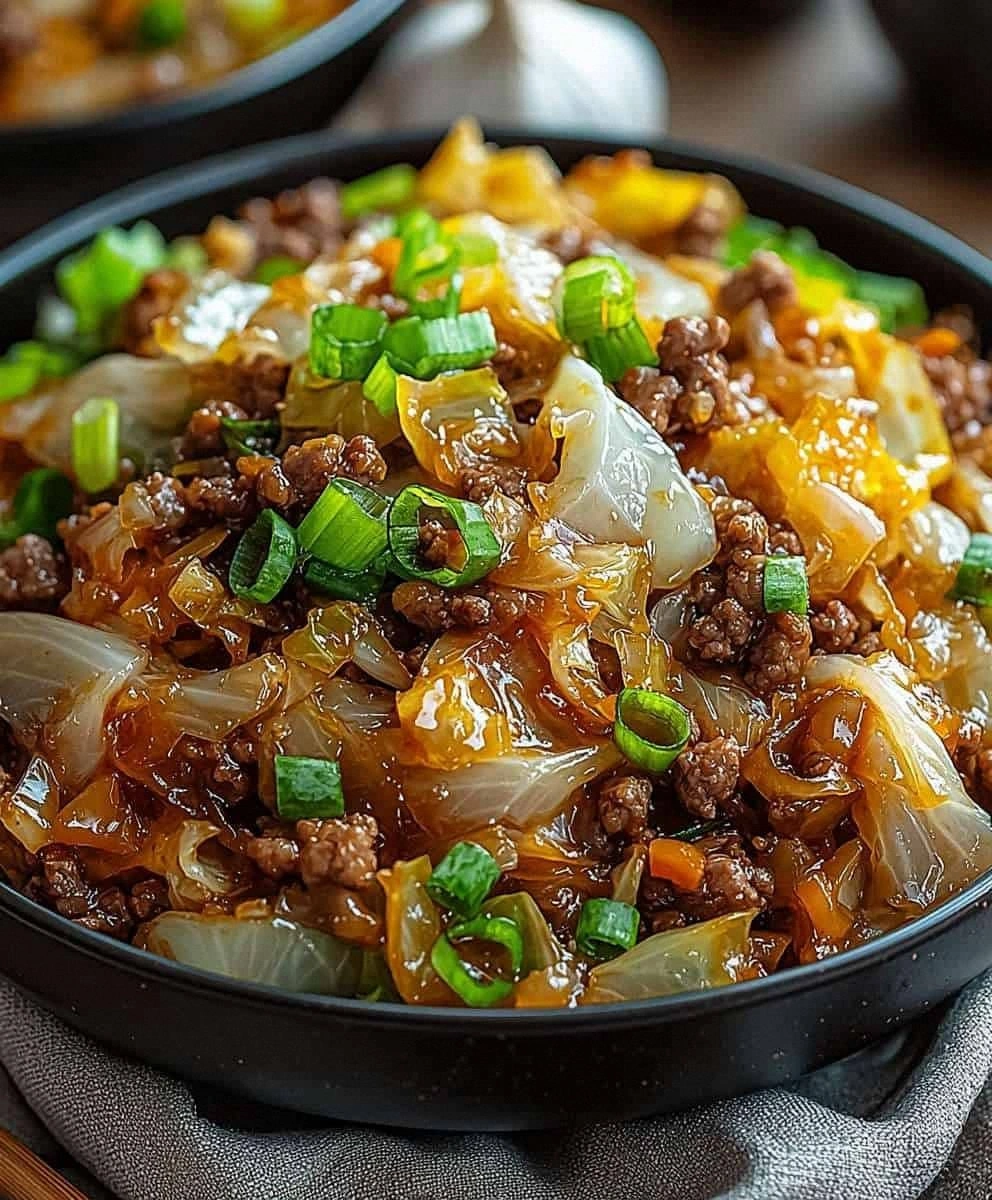
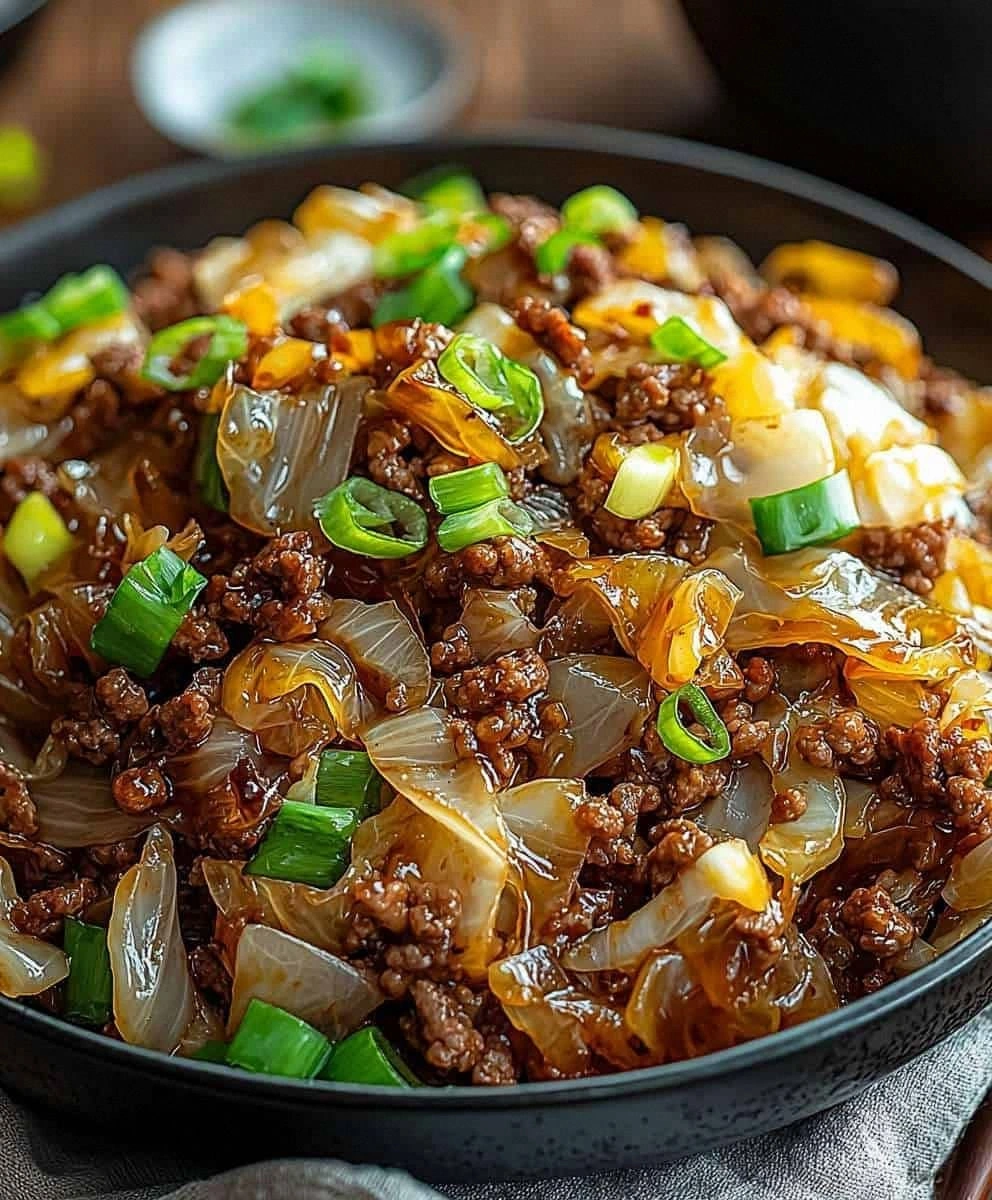
Picture this: the moment the ground beef hits the hot pan, it sizzles like a tiny fireworks show, releasing a smoky perfume that instantly makes you feel like a chef in a bustling street market. The garlic and ginger join the party, their aromas intertwining like old friends catching up over coffee, while the vegetables stay crisp, bright, and ready to soak up the sauce. The sauce itself? It glistens like liquid amber, coating every morsel with a silky sheen that clings just enough to make each bite juicy without drowning the veggies. And the finish? A whisper of sesame oil that lingers on the palate like the echo of a distant gong.
What sets this version apart from the thousand other stir‑fry recipes you’ll find on the internet is the secret weapon: a humble tablespoon of cornstarch mixed with beef broth before it ever meets the pan. Most cooks skip this step, resulting in a sauce that either runs off the rice or turns into a gloopy mess. By creating a slurry first, you get a glossy, thickened sauce that hugs the beef and vegetables like a warm blanket on a cold night. I dare you to taste this and not go back for seconds – I’m betting you’ll be the one bragging about it at the next office potluck.
And there’s a little surprise ingredient that most recipes overlook: a splash of hoisin sauce. It adds a subtle sweetness and depth that balances the salty soy and oyster sauces, creating a flavor profile that’s richer than a five‑star restaurant’s version. I’ll be honest — I ate half the batch before anyone else got a chance to try it, and I’m not sorry. This is hands down the best version you’ll ever make at home, and I’m about to walk you through every single step — by the end, you’ll wonder how you ever made it any other way.
What Makes This Version Stand Out
- Flavor Explosion: The trio of soy, oyster, and hoisin sauces creates a layered umami experience that’s both familiar and thrilling, like discovering a secret level in a video game.
- Texture Harmony: Crisp snap peas and tender carrots provide a satisfying crunch that contrasts beautifully with the soft, juicy ground beef.
- Simplicity: All ingredients are pantry‑friendly and ready in minutes, making this the ultimate weeknight hero without any fancy equipment.
- Unique Slurry Technique: The cornstarch‑broth mixture guarantees a glossy, thick sauce that clings perfectly, preventing the dreaded watery stir‑fry.
- Crowd‑Pleaser: Even the pickiest eaters love the sweet‑savory balance; it’s the kind of dish that earns you applause at the dinner table.
- Ingredient Quality: Using fresh ginger and garlic adds a zing that dried powders simply can’t match, turning a simple stir‑fry into a culinary adventure.
- One‑Pan Efficiency: No need for multiple pots; everything cooks in the same skillet, meaning less cleanup and more time to enjoy the meal.
- Make‑Ahead Potential: The sauce actually improves after a short rest, so you can prep it ahead of time and still get that fresh‑cooked flavor.
Inside the Ingredient List
The Flavor Base
The backbone of this dish is the combination of garlic, fresh ginger, and three sauces: soy, oyster, and hoisin. Garlic, when minced finely, releases allicin, which gives that unmistakable punch you associate with Asian cooking. Fresh ginger adds a peppery, citrusy heat that cuts through the richness of the beef, and if you ever wonder why your dish feels flat, it’s probably because you used powdered ginger instead. Soy sauce brings saltiness and depth, while oyster sauce adds a subtle brininess and a hint of sweetness. Hoisin sauce, the wildcard, contributes a caramelized, slightly smoky sweetness that ties everything together.
The Texture Crew
Bell peppers, broccoli, snap peas, and carrots make up the colorful brigade that gives this stir‑fry its visual appeal and crunch factor. Bell peppers, sliced thin, provide a sweet snap that softens just enough to meld with the sauce. Broccoli florets bring a slightly bitter note that balances the sweet sauces, and snap peas add a juicy burst that feels like biting into a fresh spring day. Carrots, julienned into matchstick‑thin strips, not only add a pop of orange but also a subtle earthiness that grounds the dish. Skipping any of these veggies would be a crime against texture.
The Unexpected Star
Ground beef might seem ordinary, but when you brown it properly, it develops a caramelized crust that’s pure gold. The key is not to overcrowd the pan; give each morsel room to sear, and you’ll hear that satisfying “sizzle” that signals flavor development. The cornstarch slurry is the secret weapon here – it thickens the sauce instantly and gives it that glossy finish that looks restaurant‑ready. Finally, a drizzle of sesame oil at the end adds a nutty aroma that lingers on the palate, turning a simple stir‑fry into an unforgettable experience.
The Final Flourish
A splash of sesame oil, a pinch of salt and pepper, and a handful of chopped green onions finish the dish with a fresh, aromatic lift. The green onions should be added at the very end; their delicate flavor wilts too quickly if cooked too long. Sesame oil is potent, so a little goes a long way – think of it as the perfume of the dish, not the main scent. And don’t forget the final drizzle of beef broth or water; it helps deglaze the pan, pulling up all those caramelized bits stuck to the bottom, which are flavor gold.
Everything's prepped? Good. Let's get into the real action...
The Method — Step by Step
Heat a large skillet or wok over medium‑high heat and add the vegetable oil. Once the oil shimmers, drop in the minced garlic and ginger. Stir constantly for about 30 seconds until you smell a fragrant, almost sweet aroma – that’s the signal that the aromatics are waking up. Be careful not to let them brown; burnt garlic turns bitter faster than a gossip rumor spreads.
Add the ground beef, breaking it up with a wooden spoon. Let it sit untouched for 1–2 minutes so it develops a nice sear before you start stirring. As the beef browns, you’ll hear a satisfying sizzle that tells you the Maillard reaction is in full swing.
Kitchen Hack: Use a spatula to press the beef against the pan, creating more surface area for caramelization.When the beef is about 80% cooked, stir in the sliced bell pepper, broccoli florets, snap peas, and julienned carrot. Toss everything together and let the vegetables cook for 2–3 minutes, just until they start to soften but still retain a crunch. This is the moment where you can hear the vegetables whisper “we’re ready” as they release a faint, sweet steam.
- In a small bowl, whisk together soy sauce, oyster sauce, hoisin sauce, cornstarch, and beef broth until smooth. This slurry should be free of lumps – think of it as the glue that will bind all the flavors together. Once whisked, pour the mixture over the beef and veggies, stirring vigorously to coat everything evenly.Watch Out: If you add the sauce too early, the vegetables will steam instead of stir‑fry, losing their crunch.
Allow the sauce to come to a gentle boil. As it thickens, you’ll notice it turning a deep amber and clinging to the ingredients like a velvety coat. Reduce the heat to medium‑low and let it simmer for another minute, giving the cornstarch time to fully activate. If the sauce looks too thick, splash in a tiny bit more broth or water – you want it glossy, not gummy.
Finish with a drizzle of sesame oil and a quick toss of the chopped green onions. The sesame oil should be added at the very end; its volatile compounds evaporate quickly, leaving behind a nutty perfume that lingers in the kitchen. Give the dish a final taste and adjust salt and pepper if needed – remember, the soy sauce already brings salt, so a pinch of pepper is often enough.
Serve the stir‑fry hot over a bed of steamed rice or tossed with noodles. The rice acts like a neutral canvas, soaking up the sauce, while the noodles provide a chewy contrast. Garnish with an extra sprinkle of green onions for color and a dash of sesame seeds if you have them on hand.
Let the dish rest for two minutes before diving in. This short pause allows the flavors to meld, and the sauce to settle into a perfect coating. While you wait, wipe down your prep area – you’ve earned a clean kitchen after that flavor fireworks show.
That's it — you did it. But hold on, I've got a few more tricks that'll take this to another level...
Insider Tricks for Flawless Results
The Temperature Rule Nobody Follows
Never start with a cold pan. Pre‑heat your skillet until it’s genuinely hot; you’ll know it’s ready when a drop of water dances and evaporates instantly. This ensures the beef sears instantly, locking in juices and creating those coveted caramelized edges. I once tried to save time by starting on low heat – the result was a soggy, steamed mess that tasted like a disappointment. Trust the heat, and the dish will thank you with flavor depth.
Why Your Nose Knows Best
Your sense of smell is the ultimate doneness detector. When the garlic and ginger turn fragrant, you’re ready to add the beef. When the sauce begins to shimmer and you catch a sweet, nutty aroma, it’s time to finish. If you ever find yourself guessing, pause and sniff – the kitchen’s olfactory cues are more reliable than any timer.
The 5‑Minute Rest That Changes Everything
After you finish cooking, let the stir‑fry sit off the heat for exactly five minutes. This short rest lets the cornstarch fully gelatinize, turning the sauce from glossy to silky. It also allows the flavors to marry, making each bite more harmonious. I once served the dish immediately and noticed a slight separation in the sauce – a quick five‑minute wait solved that problem instantly.
Sauce Rescue: The Water Splash
If your sauce thickens too quickly and starts clinging to the pan, a splash of water (or extra broth) will loosen it without diluting flavor. Add a tablespoon at a time, stirring constantly, until you achieve the desired consistency. This trick saved me once when I accidentally turned the heat up too high and the sauce went from glossy to gluey in seconds.
Veggie Shock Technique
After blanching your veggies, shock them in ice water for 30 seconds before stir‑frying. This locks in color, texture, and that fresh‑garden flavor that can otherwise fade during cooking. A friend once tried to skip this step and ended up with dull, limp broccoli that looked like it belonged in a freezer bag.
Creative Twists and Variations
This recipe is a playground. Here are some of my favorite ways to switch things up:
Spicy Szechuan Kick
Add 1‑2 teaspoons of Szechuan peppercorn oil and a dash of dried red chili flakes to the sauce. The result is a tongue‑tingling heat that pairs perfectly with the sweet hoisin. Perfect for those who love a bit of fire in their dinner.
Mushroom Medley
Swap half the ground beef for finely chopped shiitake or cremini mushrooms. The mushrooms add an earthy umami that deepens the flavor profile, making the dish even more robust. This is a great way to stretch the protein budget while keeping the dish hearty.
Coconut Curry Fusion
Replace the beef broth with coconut milk and add a tablespoon of red curry paste. The sauce becomes creamy, aromatic, and slightly sweet, turning the stir‑fry into a Thai‑inspired masterpiece. Serve over jasmine rice for the full effect.
Gluten‑Free Version
Use tamari instead of soy sauce and ensure your oyster sauce is gluten‑free. The flavor remains intact, and you’ll have a dish safe for anyone with gluten sensitivities. I’ve served this version at a dinner party and no one could tell the difference.
Breakfast Remix
Serve the stir‑fry over a bed of fried rice mixed with scrambled eggs and a sprinkle of chopped cilantro. The egg adds a silky richness that makes the dish perfect for a hearty brunch. It’s a surprising twist that turns leftovers into a new day’s delight.
Storing and Bringing It Back to Life
Fridge Storage
Transfer the cooled stir‑fry to an airtight container and store in the refrigerator for up to three days. The sauce will thicken slightly as it sits; simply reheat gently and add a splash of water or broth to loosen it back to a saucy consistency.
Freezer Friendly
Portion the cooked dish into freezer‑safe bags or containers, leaving a little headspace for expansion. Freeze for up to two months. When ready to eat, thaw overnight in the fridge, then reheat in a skillet over medium heat, adding a tablespoon of water to revive the glossy sauce.
Best Reheating Method
For the best texture, reheat on the stovetop rather than microwave. Heat a drizzle of oil, add the frozen or refrigerated stir‑fry, and stir constantly until piping hot. The added water trick prevents the beef from drying out and keeps the veggies crisp.