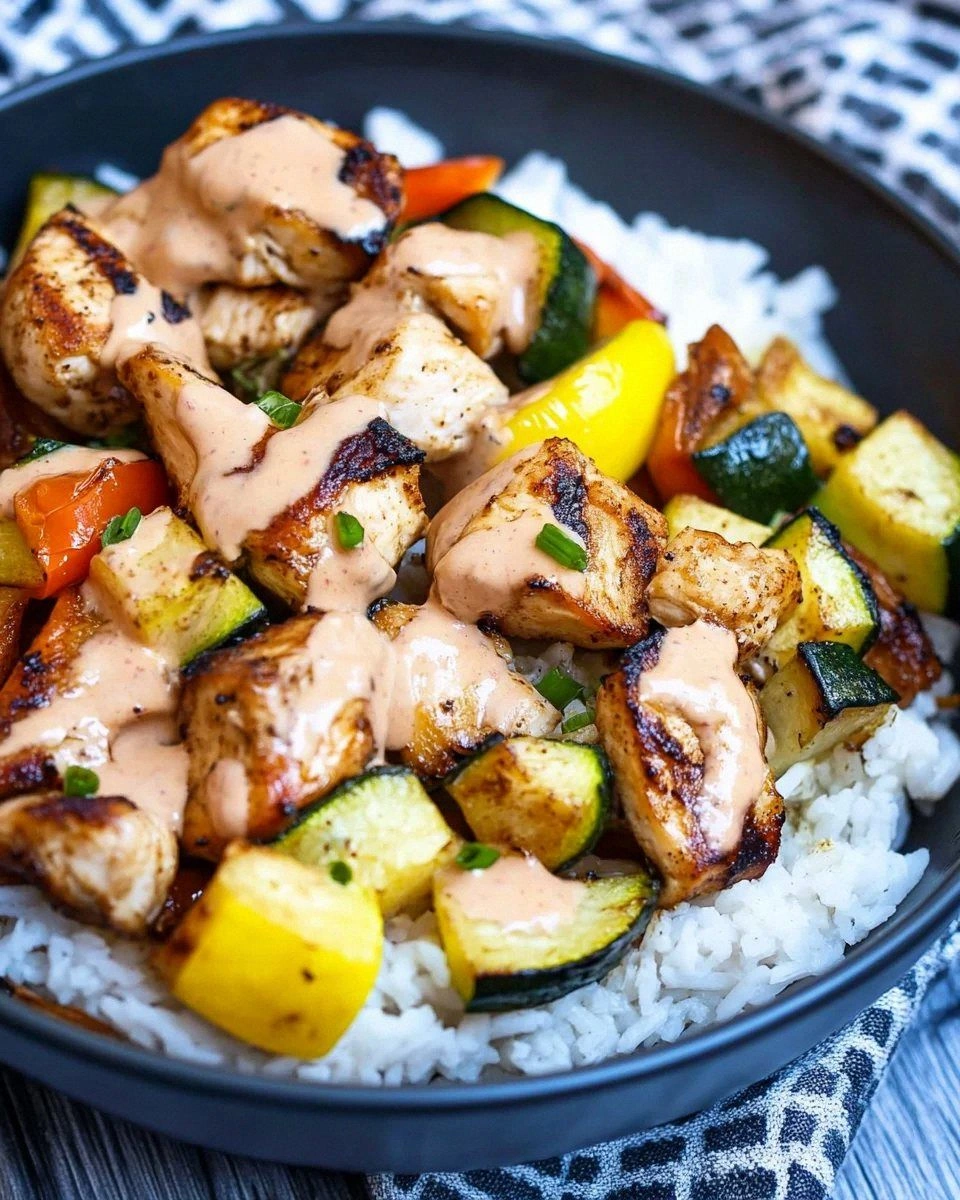
Ever had a night where the kitchen felt like a battleground and you were the only one left standing? I was there, juggling a pot of overcooked rice, a pan of shrimp that had already browned too fast, and a pantry that looked like a maze of sauces. I stared at the mess, the steam curling like a question mark, and thought, “This has to be better.” That moment of culinary frustration became the spark that lit up a recipe I’d never dared to try before. It started as a dare from a friend who claimed no one could ever make Thai shrimp fried rice that tasted like a hug. The result? A dish that sings with bright, tangy notes and a texture that’s simultaneously tender and satisfying.
Picture this: the sizzling sound of shrimp hitting hot oil, a burst of garlic aroma that cuts through the room, and the visual delight of golden rice grains dancing with green onions. The first bite is a fireworks display—sweetness from the lime, umami from the oyster sauce, a hint of heat from the chilies, and a savory depth that only fish sauce can provide. The contrast between the soft shrimp and the slightly crunchy vegetables feels like a perfectly choreographed dance. My friends keep asking, “What’s your secret?” and I answer, “It’s the balance of flavors and the timing of the sauce.” I dare you to taste this and not go back for seconds, because once you’ve had this, all other fried rice feels like a pale echo.
What makes this version stand out isn’t just the ingredients—it’s how each component is treated. The rice is pre-cooked and chilled, giving it a firm bite that resists mushiness. The shrimp is marinated just long enough to absorb the flavors but not so long that it loses its snap. The sauce is whisked to a silky consistency that coats every grain, turning the dish into a cohesive masterpiece rather than a haphazard mix. It’s hands down the best version you’ll ever make at home, and I’ll be honest—once I tasted it, I ate half the batch before anyone else got a chance. The dish feels like a well-written story, each paragraph building on the last, and the final line leaves you craving an encore.
Most recipes get this completely wrong. They either overcook the shrimp, under-season the rice, or forget the essential lime splash that brightens everything. Here’s what actually works: use jasmine rice for its fragrant aroma, keep the shrimp lightly seasoned, and finish with a squeeze of fresh lime right before serving. Picture yourself pulling this out of the pan, the whole kitchen smelling incredible, and the plate gleaming with a glossy sheen from the sauce. The moment the lime lands on the surface, it releases a citrus perfume that instantly elevates the dish. And the best part? It’s so simple you can do it in under an hour.
Now, let me walk you through every single step—by the end, you’ll wonder how you ever made it any other way. I’ll keep you side by side, explaining each technique, offering micro‑challenges, and sharing a few kitchen hacks that will save you time and frustration. The goal is to make you feel confident, excited, and ready to wow your friends or family with this Thai shrimp fried rice that’s as delicious as it is effortless. Stay tuned, because the next part is pure magic, and the fun part is just a few minutes away.
What Makes This Version Stand Out
- Flavor Balance: The combination of Thai soy sauce, oyster sauce, and fish sauce creates a layered umami profile that’s richer than any standard fried rice. Each sauce contributes a distinct note—sweet, salty, and slightly briny—making the dish complex yet harmonious.
- Texture Contrast: The pre‑cooked jasmine rice keeps a firm bite, while the shrimp stays juicy and slightly firm. The green onions add a fresh crunch that punctuates every bite.
- Speed & Simplicity: The entire recipe takes less than 45 minutes, making it a perfect weeknight dinner. No complicated steps—just a few quick techniques that deliver big results.
- Ingredient Quality: Using fresh shrimp, real lime juice, and authentic Thai sauces elevates the dish to a restaurant‑grade experience in your own kitchen.
- Crowd‑Pleaser: The bright colors and vibrant flavors make it a showstopper for gatherings, while the moderate heat keeps it approachable for most palates.
- Make‑Ahead Potential: You can prepare the rice and marinate the shrimp a day ahead, making it a stress‑free option for busy evenings.
Inside the Ingredient List
The Flavor Base
At the heart of this dish lies the sauce, a trio of Thai soy sauce, oyster sauce, and fish sauce. These sauces are not just flavor boosters; they provide depth and a subtle sweetness that balances the acidity of lime. If you skip any of them, the dish loses a layer of complexity, becoming more one‑dimensional. For a vegetarian version, replace the fish sauce with a splash of soy sauce and a pinch of seaweed flakes to mimic the umami.
Fresh lime juice is the secret that ties everything together. It cuts through the richness of the shrimp and the oils, leaving a bright, refreshing finish. If you can’t find fresh lime, bottled lime juice works, but add a squeeze of lemon to keep the acidity high. A small amount of lime can dramatically elevate the dish, so don’t be shy with that squeeze.
The Texture Crew
Jasmine rice is the canvas for this dish. Its fragrant aroma and slightly sticky texture make it ideal for stir‑frying. Cook the rice ahead of time, then chill it in the fridge for at least an hour. This step prevents the grains from clumping together and ensures a light, fluffy result. If you’re short on time, you can use day‑old rice, but it will be slightly less firm.
Green onions provide a fresh, peppery crunch that adds a burst of color and texture. Slice them thinly so they distribute evenly throughout the dish. They also help to balance the richness of the shrimp and the sauces. If you prefer a milder flavor, replace half of the green onions with sliced scallions.
The Unexpected Star
Eggs are whisked separately and fried into ribbons before the rice and shrimp are added. This technique gives the dish a silky, custard‑like element that contrasts with the crunchy rice. The eggs also act as a binder, helping the sauces coat each grain. If you’re avoiding eggs, you can replace them with a splash of coconut milk for a creamy texture.
The Final Flourish
Sliced cucumber, fresh cilantro, and Thai chilies are served on the side, offering a cool, herbal contrast to the warm fried rice. They add a fresh, vibrant finish that brightens the plate. If you’re not a fan of chilies, use a milder pepper or simply omit them for a milder version. The cucumber’s crispness keeps the dish from feeling too heavy.
Everything’s prepped? Good. Let’s get into the real action and turn these ingredients into a symphony of flavors.
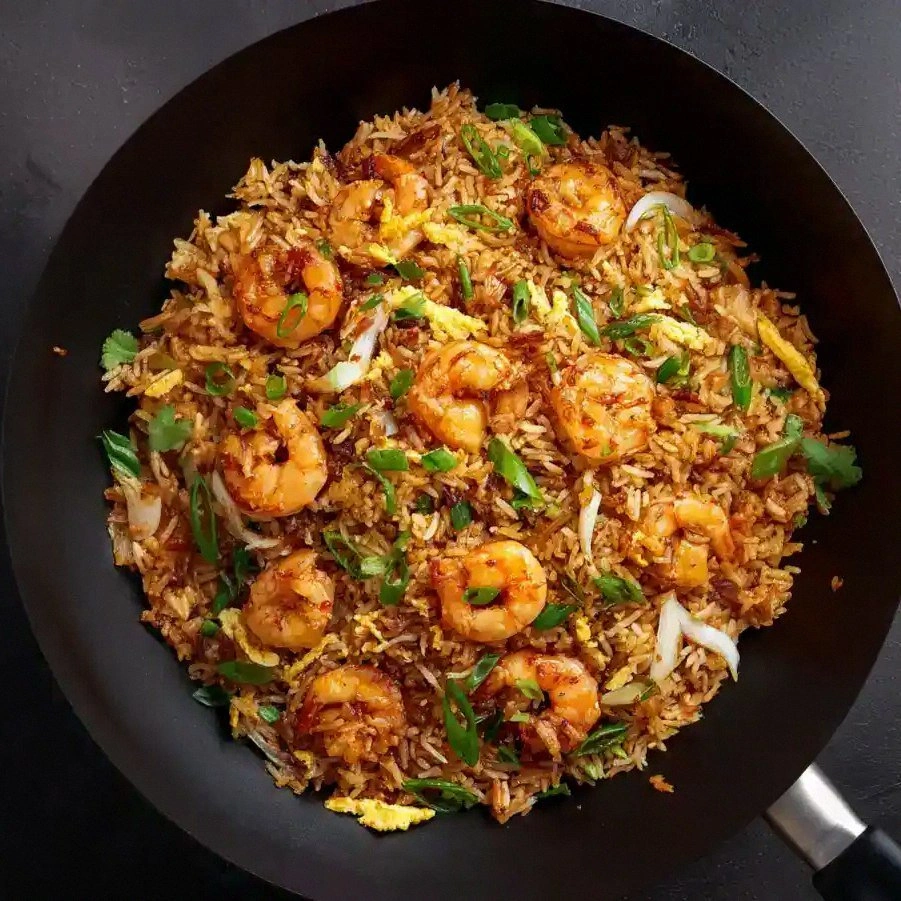
The Method — Step by Step
- Heat a wok or large skillet over high heat until it’s smoking. Add 1 tablespoon of neutral oil and swirl to coat. When the oil shimmers, add the minced garlic and sliced shallot. Stir quickly for 10–15 seconds until fragrant—watch the colors change, not the texture. The garlic should be golden, not brown, or it will taste bitter. This is the moment of truth; keep the heat high to avoid sogginess.
- Push the aromatics to the side and pour in the shrimp, letting them sear for about 30 seconds per side. Season with a pinch of white pepper and a drizzle of fish sauce. The shrimp should turn pink and firm up quickly; overcooking will make them rubbery. Keep the shrimp moving to avoid sticking. This step locks in the juices and sets the base flavor.
- Add the pre‑cooked rice, breaking up any clumps with a spatula. Stir-fry for 2–3 minutes, letting the rice toast slightly. The edges should start pulling away from the pan, indicating a golden crust. This toasting step adds a nutty depth and prevents the rice from steaming into mush.
- Pour in the Thai soy sauce, oyster sauce, and the remaining tablespoon of fish sauce. Toss everything together until the rice is evenly coated. The sauces should coat each grain like velvet, creating a glossy finish. If the mixture looks dry, add a splash of water to loosen it.
- Stir in the sugar and white pepper, ensuring they dissolve completely. The sugar should caramelize slightly, giving a subtle caramel note. Taste the mixture; it should be a balanced blend of sweet, salty, and umami.
- Push the rice mixture to one side of the pan and pour the beaten eggs into the empty space. Scramble the eggs until just set, then mix them into the rice. The eggs should be fluffy and lightly cooked, adding a silky texture. This step gives the dish a comforting, almost creamy feel.
- Finish with a generous squeeze of lime juice and a handful of sliced green onions. Stir quickly to distribute the lime’s brightness. The lime should cut through the richness, leaving a clean, citrusy finish. The green onions add a fresh crunch and a pop of color. This final touch transforms the dish from simple to spectacular.
- Transfer the fried rice to a serving platter and garnish with sliced cucumber, chopped cilantro, and thin Thai chilies. The fresh veggies provide a cool counterpoint to the warm, savory rice. Serve immediately while the rice is still hot and fragrant. If you’re plating for guests, arrange the garnishes in a colorful ring for visual appeal.
That’s it—you did it. But hold on, I’ve got a few more tricks that will take this to another level.
Insider Tricks for Flawless Results
The Temperature Rule Nobody Follows
Many cooks underestimate the importance of a hot pan. A temperature that’s too low causes the rice to steam instead of fry, leading to a mushy texture. Keep the heat high from start to finish, and the rice will develop a beautiful, slightly charred edge. I once tried a lower heat and ended up with a soggy mess—don’t let that happen to you. Use a metal wok or a cast‑iron skillet to retain heat evenly.
Why Your Nose Knows Best
When the shrimp is seared, a subtle aroma will signal it’s ready to move. The smell should be sweet and slightly caramelized, not burnt. If you smell a sharp, acrid scent, you’ve over‑cooked. Trust your nose; it’s the fastest way to gauge doneness. I learned this after a friend’s shrimp turned rubbery because they kept staring at the clock instead of the scent.
The 5‑Minute Rest That Changes Everything
After you’ve finished stir‑frying, let the rice rest for 5 minutes off the heat. This brief pause allows the steam to redistribute, sealing in moisture and flavor. The result is a rice that’s fluffy on the inside and crisp on the edges. Skip this step and you’ll get uneven texture—don’t risk it.
Eggs: The Secret Binding Agent
Eggs don’t just add flavor—they bind the rice and shrimp together. Whisk them lightly with a pinch of salt before adding. The eggs should be just set, not fully cooked, to keep them tender. If you prefer a vegan version, replace the eggs with a tablespoon of mashed tofu or a splash of soy milk.
Garnish Timing Matters
Adding the lime and fresh herbs at the very end preserves their bright flavors. If you add them earlier, the heat will wilt the greens, dulling their crunch and aroma. I once added cilantro too early and it turned bitter; that was a hard lesson. Keep the garnish fresh and vibrant by adding it right before serving.
Creative Twists and Variations
This recipe is a playground. Here are some of my favorite ways to switch things up:
Spicy Pineapple Version
Swap the green onions for diced pineapple and add a dash of sriracha. The tropical sweetness pairs beautifully with the shrimp, creating a sweet‑heat explosion that’s perfect for summer.
Veggie‑Rich Power Bowl
Add shredded carrots, snow peas, and bell peppers for a colorful, nutrient‑dense twist. These vegetables keep the dish light while adding crunch and color. It’s a great way to sneak in more veggies.
Protein Swap: Chicken or Tofu
Replace shrimp with diced chicken breast or cubed tofu. Marinate the protein in the same sauce mixture for 15 minutes before cooking. This makes the dish versatile for different dietary preferences.
Herb‑Infused Variation
Replace cilantro with Thai basil and add a splash of coconut milk. The coconut adds a creamy sweetness that balances the spiciness, and the basil offers a fragrant, peppery note.
Low‑Carb Edition
Use cauliflower rice instead of jasmine rice. Sauté the cauliflower until golden, then follow the same sauce and shrimp steps. The result is a lighter dish with fewer carbs but the same flavor punch.
Breakfast‑Style Fried Rice
Serve the fried rice with a fried egg on top and drizzle with soy sauce. This turns the dish into a hearty breakfast that’s both satisfying and flavorful.
Storing and Bringing It Back to Life
Fridge Storage
Cool the fried rice to room temperature, then transfer to an airtight container. Store in the fridge for up to 3 days. The rice will keep its flavor but may lose a bit of crispness.
Freezer Friendly
For longer storage, freeze the rice in a freezer‑safe bag, removing as much air as possible. It can last up to 2 months. Thaw in the fridge overnight before reheating.
Best Reheating Method
Reheat in a hot skillet with a splash of water or broth to steam the rice back to life. Add a tiny splash of water before reheating — it steams back to perfection and keeps the rice from drying out. Keep the heat medium to avoid burning.