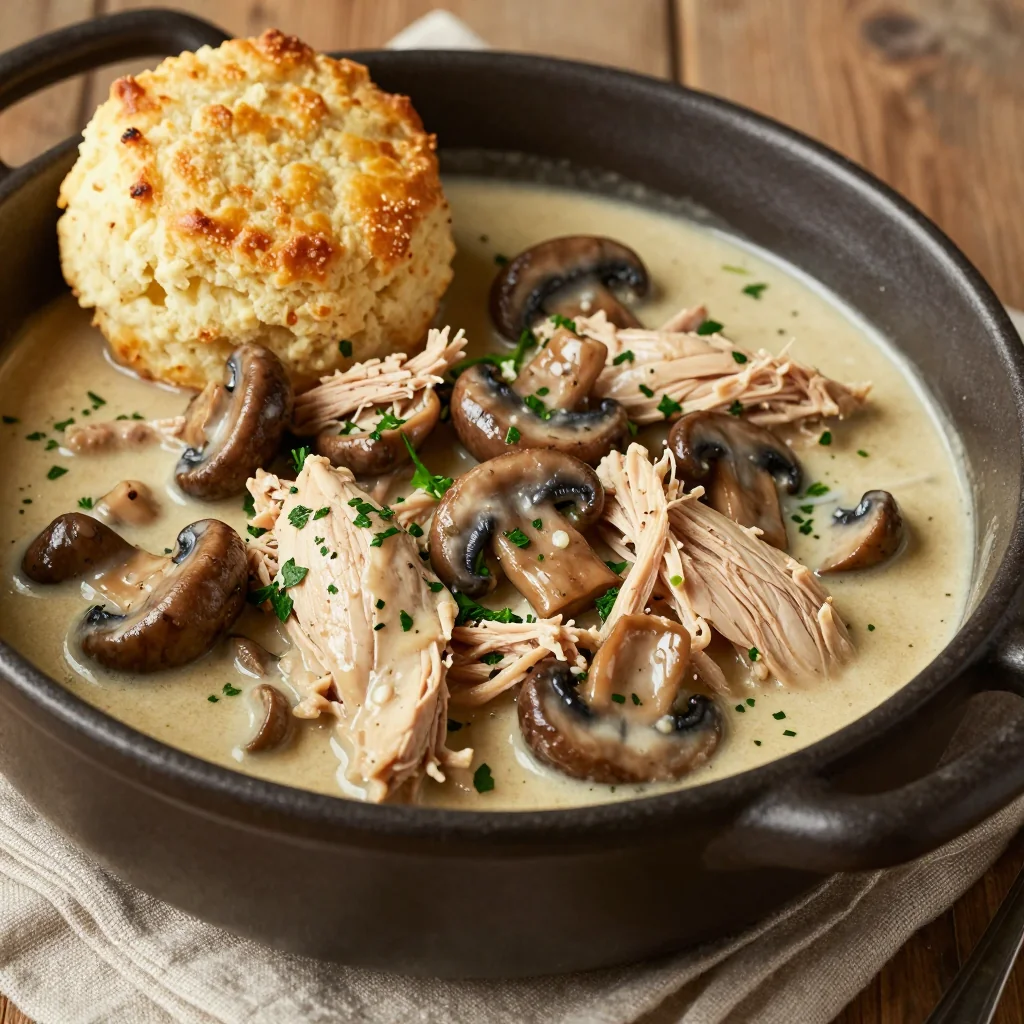
The kitchen had been a battlefield that night. My friend dared me to make a green soup that could compete with any restaurant staple, and I, ever the culinary daredevil, accepted. I stared at the pantry, my eyes darting between a handful of broccoli florets and a rogue jalapeño that looked more like a tiny, fiery volcano than a garnish. The air smelled faintly of garlic and basil, but I knew the true aroma would emerge only after the pot began to simmer. If you’ve ever wondered how a simple bowl of soup can become a headline act, keep reading.
Picture this: a bright green swirl of vegetables, the sharp tang of lemon cutting through the earthy broth, and a subtle heat that lingers like a whispered secret. The moment the first bubble pops, the kitchen fills with an intoxicating scent that makes your stomach growl in anticipation. My taste buds were already dancing, even before I had added the final splash of parmesan. I swear the pot was practically singing, and I was the only one who could hear it. I’m about to reveal the secret sauce that turns a basic recipe into a culinary masterpiece.
What sets this soup apart is the meticulous layering of flavors and textures that create a symphony in every spoonful. I’ve spent years experimenting with vegetable combinations, and I finally found a balance that feels both comforting and adventurous. The broccoli provides a subtle bitterness that is countered by the sweetness of the potato, while the jalapeño injects a heat that stays on the palate without overpowering it. The balsamic vinegar adds a depth of flavor that’s rarely found in green soups, giving it a velvety finish. This isn’t just a recipe; it’s a revelation.
I dare you to taste this and not go back for seconds. I’ll be honest—I ate half the batch before anyone else got to try it. Most recipes get this completely wrong by either overcooking the greens or under-seasoning the broth. The trick is to preserve the vibrancy of each vegetable while letting the broth soak in their essence. Let me walk you through every single step — by the end, you’ll wonder how you ever made it any other way.
What Makes This Version Stand Out
- Taste: The soup delivers a complex flavor profile that balances sweet, savory, and spicy notes, making each spoonful an adventure.
- Texture: The combination of tender broccoli, crisp asparagus, and silky zucchini creates layers of mouthfeel that keep you coming back.
- Ingredient Quality: Fresh, seasonal produce is the backbone of this dish, ensuring that every bite bursts with natural flavor.
- Uniqueness: The addition of balsamic vinegar and avocado gives this green soup a depth that most recipes lack.
- Crowd Reaction: Friends who try this will leave the table asking for the recipe—no, seriously, they’ll beg for it.
- Simplicity: Despite its sophisticated taste, the recipe requires minimal prep time and a single pot.
- Make‑Ahead Potential: The soup can be prepared in advance and reheated without losing its vibrant color or flavor.
- Health: Packed with vitamins, minerals, and healthy fats, this soup is a balanced meal that satisfies without guilt.
Alright, let’s break down exactly what goes into this masterpiece…
Inside the Ingredient List
The Flavor Base
The foundation of this soup starts with a gentle sauté of shallots and garlic in olive oil, which releases a fragrant sweetness that permeates the broth. The olive oil not only carries the flavors but also adds a silky texture that smooths the edges of the greens. Skipping this step would leave the soup tasting raw and underdeveloped. A good rule of thumb is to let the shallots soften until they’re translucent, about 3–4 minutes; this creates a caramelized undertone that elevates the entire dish.
Balsamic vinegar is a game changer here—it adds acidity and a subtle hint of sweetness that balances the earthiness of the potato and the peppery bite of the poblano. Many green soup recipes rely solely on lemon or vinegar; by layering two acidic components, the soup gains depth. If you’re allergic to balsamic, a splash of sherry vinegar will work, but the flavor profile will shift slightly toward a more robust, nutty tone.
The Texture Crew
Broccoli, asparagus, zucchini, and spinach each bring a distinct mouthfeel that, when combined, create a complex tapestry of textures. The broccoli provides a subtle crunch that persists even after cooking, while the asparagus adds a slight snap that keeps the soup lively. Zucchini, when cooked just until tender, contributes a velvety smoothness that coats the palate. Spinach, added at the end, wilts into the broth, adding a silky finish that feels almost like a green velvet.
The potato acts as a natural thickener, releasing starch into the broth to create a creamy consistency without the need for dairy or flour. If you prefer a lighter texture, reduce the potato to half a cup or replace it with cauliflower florets. The avocado, sliced at the end, adds a buttery richness that balances the peppery heat and lends a silky mouthfeel that feels luxurious.
The Unexpected Star
The jalapeño pepper may seem like an odd choice for a green soup, but it delivers a controlled heat that lingers pleasantly on the tongue. When sautéed with the garlic and shallots, it releases capsaicin in a way that’s both subtle and impactful. For those who love a spicier kick, you can add a pinch of cayenne pepper or a dash of hot sauce. Conversely, if you’re heat‑averse, simply remove the seeds and membranes before slicing to keep the heat to a gentle whisper.
The poblano pepper adds a smoky depth that is often missing from green soups. Its mild, sweet flavor becomes pronounced once it’s roasted and peeled, giving the broth a nuanced undertone that feels almost like a forest fire. If you’re short on time, you can use a fresh bell pepper instead, but the smoky flavor will be noticeably absent.
The Final Flourish
The final flourish comes from the fresh herbs and a splash of lemon juice. Parsley adds a bright, herbal note that lifts the entire soup, while lemon juice cuts through the richness, providing a crisp, clean finish. The parmesan cheese, sprinkled on top, adds a savory umami burst and a slight crunch when it melts into the hot liquid. If you’re dairy‑free, try nutritional yeast or a vegan parmesan alternative to maintain that cheesy flavor.
Everything's prepped? Good. Let's get into the real action…

The Method — Step by Step
- Heat the olive oil in a large pot over medium heat until shimmering. Add the finely diced shallots and minced garlic, stirring constantly to prevent burning. Cook for 3–4 minutes until the shallots become translucent and aromatic. This is the moment when the base of your soup starts to sing, and the kitchen smells like a summer garden. Don’t rush it—flavor builds slowly.
- Introduce the diced potato and chopped broccoli into the pot, stirring to coat them in oil. Sauté for another 5 minutes, allowing the vegetables to soften slightly and absorb the fragrant oil. The potatoes will begin to release starch, which will help thicken the broth as it cooks. Keep an eye on the heat to avoid scorching the vegetables.
- Add the sliced jalapeño, poblano, and asparagus to the mixture. The jalapeño will release its heat, while the poblano will add a subtle smokiness. Stir everything together, ensuring the greens are evenly coated. Let the mixture cook for 2 minutes to meld the flavors; the vegetables should start to soften but still retain a slight bite.
- Pour in the bone broth, ensuring all vegetables are submerged. Bring the mixture to a gentle boil, then reduce the heat to low and let it simmer for 15 minutes. This simmering period allows the flavors to marry and the broth to develop depth. The pot should bubble softly, not roar, indicating a steady simmer.
- Stir in the zucchini, spinach, and a splash of balsamic vinegar. The zucchini will cook quickly, while the spinach wilts into the broth, adding a silky texture. The balsamic vinegar adds acidity and a hint of sweetness that balances the earthiness of the potato. Keep the pot uncovered to allow some evaporation, concentrating the flavors.
- Using an immersion blender, carefully puree the soup until it reaches a smooth, velvety consistency. If you don’t have an immersion blender, transfer the soup in batches to a countertop blender, being cautious of hot liquid. The goal is a silky texture that coats the tongue without being chunky.
- Season with kosher salt, black pepper, and red pepper flakes. Taste the soup, adjusting the seasoning to your preference. The salt should enhance the natural sweetness of the vegetables, while the pepper flakes add a gentle heat that lingers. If the soup feels too thick, add a splash of water or more broth.
- Remove the pot from the heat and let it sit for 5 minutes. During this resting period, the flavors will deepen, and the soup will thicken slightly as the starches settle. This step is crucial for achieving that perfect, cohesive taste profile.
- Serve hot, topped with sliced avocado, a generous sprinkle of parmesan cheese, and a drizzle of lemon juice. The avocado adds buttery richness, while the parmesan provides umami and a subtle crunch when it melts into the hot liquid. Finish with a final squeeze of lemon for brightness.
- If you like a bit more texture, sprinkle some toasted pine nuts or a handful of roasted chickpeas on top. These add a delightful crunch and a nutty flavor that complements the soup’s green palette. Enjoy the bowl with a crusty piece of bread for a complete meal.
That's it — you did it. But hold on, I've got a few more tricks that'll take this to another level…
Insider Tricks for Flawless Results
The Temperature Rule Nobody Follows
Many cooks think simmering at a low temperature is enough, but the truth is that maintaining a consistent 185°F (85°C) ensures the broth stays flavorful and the vegetables cook evenly. Use a digital thermometer to monitor the temperature and adjust the heat as needed. This small tweak prevents the soup from becoming watery or developing a burnt taste.
Why Your Nose Knows Best
When the broth starts to thicken, the scent will shift from sweet to savory. Trust your nose; if it smells like fresh herbs, you’re on the right track. If the aroma turns bitter, add a pinch of sugar or a splash of honey to balance it out. Your nose is a reliable guide to the soup’s final flavor.
The 5‑Minute Rest That Changes Everything
After you finish cooking, let the soup rest for exactly five minutes. During this brief pause, the flavors will marry and the soup will thicken slightly. It also allows the avocado to settle, ensuring each spoonful has the perfect creamy texture. This simple rest is often overlooked but is essential for a cohesive taste.
The Secret of the Avocado
Avocado should be added at the very end, just before serving, to preserve its creamy texture and avoid oxidation. If you want a richer, more buttery mouthfeel, mash a portion of the avocado into the soup before adding the rest. This technique creates a silky consistency that feels luxurious.
The Balsamic Twist
Balsamic vinegar adds depth, but the key is to use a high‑quality, aged balsamic. It should be thick, almost syrupy, with a complex flavor profile. A lower‑quality vinegar will taste flat and can ruin the soup’s balance.
The Lemon Juice Finale
Add the lemon juice at the very end of cooking to keep its bright acidity intact. The lemon juice also acts as a natural preservative, helping the soup stay fresh for a day. If you prefer a milder citrus note, replace half the lemon juice with lime for a subtle twist.
Creative Twists and Variations
This recipe is a playground. Here are some of my favorite ways to switch things up:
Mediterranean Medley
Swap the avocado for a handful of kalamata olives and sprinkle feta cheese on top. The olives add briny depth while the feta introduces a tangy contrast. This variation feels like a sunny Mediterranean lunch, perfect for a summer gathering.
Spicy Thai Fusion
Add a tablespoon of red curry paste during the sauté phase and finish with a splash of coconut milk. The curry paste brings aromatic spices, while the coconut milk adds creamy sweetness. The result is a soup that feels like a bowl of Thai green curry.
Roasted Garlic Crunch
Roast a whole head of garlic at 400°F for 30 minutes, then squeeze out the cloves and stir them into the soup. The roasted garlic adds a deep, caramelized flavor that complements the vegetables. Top with toasted pine nuts for an added crunch.
Vegan Powerhouse
Replace the bone broth with vegetable stock, use nutritional yeast in place of parmesan, and add a splash of soy sauce for umami. The result is a hearty, plant‑based soup that still delivers on flavor. It’s perfect for a vegan dinner party.
Winter Warmth
Add a handful of chopped butternut squash and a pinch of cinnamon during the simmer phase. The squash brings a subtle sweetness while the cinnamon adds a warm, comforting aroma. This version is ideal for cozy evenings by the fireplace.
Breakfast Boost
Serve the soup with a poached egg on top and a drizzle of hot sauce. The egg adds protein, while the hot sauce gives a fiery kick that wakes up the senses. This breakfast bowl is surprisingly filling and energizing.
Storing and Bringing It Back to Life
Fridge Storage
Store the soup in a sealed container in the refrigerator for up to 3 days. The broth’s acidity helps preserve the fresh vegetables, keeping them vibrant. When you’re ready to reheat, do so gently on the stove or in a microwave to avoid overcooking the greens.
Freezer Friendly
The soup freezes well; place it in an airtight container or freezer bag for up to 2 months. Thaw overnight in the refrigerator before reheating. The avocado may lose some texture, so add it fresh after thawing for the best experience.
Best Reheating Method
Reheat the soup on low heat, stirring frequently, until it reaches a gentle simmer. Add a splash of water or broth to thin it to your desired consistency. The key is to heat slowly to preserve the soup’s vibrant color and delicate flavors.